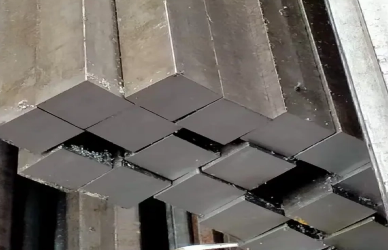
Cold drawn steel is a high-performance material produced by pulling steel through a die at room temperature, which reduces its diameter and increases its length. This process results in enhanced mechanical properties such as increased tensile strength, hardness, and precision. Unlike hot rolled steel, cold drawn steel retains its shape without the need for high temperatures, making it ideal for applications that require tight tolerances and a smooth surface finish. The enhanced strength and durability make cold drawn steel particularly valuable in industries that demand high-performance materials, including construction and manufacturing. In construction, it is widely used for reinforcing bars and structural components, while in manufacturing, it plays a crucial role in producing precision parts for machinery and automotive applications. This article will explore the vital role of cold drawn steel in these two key industries, highlighting its advantages in ensuring structural integrity and producing long-lasting, high-quality components.
Cold Drawn Steel in Construction
1.Reinforced Bars
Cold drawn steel is widely utilized in the form of reinforcing bars (rebars) in concrete construction, where it plays a crucial role in adding strength and stability to structures. By enhancing the tensile strength of concrete, which is naturally weak in tension, cold drawn steel rebars help to resist bending and cracking under load. The precision and high strength of cold drawn steel ensure that rebars meet the demanding requirements of modern construction projects, providing durability and reliability for both residential and commercial buildings.
2.Structural Components
In building construction, cold drawn steel is often used for beams, columns, and frames. These structural components are essential for providing support and distributing loads within a building. Cold drawn steel’s superior strength allows it to handle large forces, making it an ideal choice for large-scale construction projects such as skyscrapers, bridges, and industrial facilities. Its dimensional accuracy ensures that components fit together precisely, improving the overall stability and integrity of the structure.
3.Pipes and Tubing
Cold drawn steel is also used in the production of pipes and tubing for plumbing and structural applications. These steel pipes offer high strength, dimensional accuracy, and resistance to corrosion, making them ideal for use in both above-ground and underground systems. Cold drawn steel pipes are commonly found in water, gas, and oil transportation systems, as well as in structural frameworks where strength and durability are critical.
4.Advantages in Construction
Cold drawn steel offers several key benefits in the construction industry:
Better Tensile Strength: Cold drawn steel’s increased strength provides enhanced load-bearing capacity, which is critical in applications such as rebars and structural supports.
Durability: The material’s high resistance to wear, corrosion, and fatigue ensures longevity in construction projects, reducing the need for frequent repairs and replacements.
Precise Dimensions: The cold drawing process results in tight tolerances, ensuring that steel components fit accurately in construction projects, reducing the risk of errors and improving the overall quality of the structure.
Cold Drawn Steel in Manufacturing
1.Precision Parts and Components
Cold drawn steel is a crucial material in the manufacturing of precision parts, such as shafts, rods, and gears. Its superior strength and dimensional accuracy make it ideal for applications that require exacting specifications and high performance. The cold drawing process ensures that these parts maintain tight tolerances, which is essential in machinery manufacturing where precise fit and functionality are required. These parts are commonly used in a wide range of industries, from automotive to aerospace, where performance and reliability are critical.
2.Automotive Components
In the automotive industry, cold drawn steel is widely used to manufacture components that need high strength and resistance to wear, such as axles, suspension components, and chassis parts. These parts are subjected to intense stresses and mechanical forces, requiring materials that can withstand long-term use without failure. Cold drawn steel’s ability to offer enhanced durability, superior tensile strength, and resistance to fatigue makes it a preferred choice for automotive applications where performance, safety, and longevity are paramount.
3.Tool Manufacturing
Cold drawn steel is commonly used in tool manufacturing due to its high hardness and wear resistance. The cold drawing process refines the material’s grain structure, increasing its strength and hardness, which is essential for tools that must endure heavy use. Cold drawn steel is ideal for producing components such as cutting tools, molds, and dies, where precise dimensions and durability are crucial. Its resistance to wear and tear ensures that tools made from cold drawn steel maintain their performance and longevity, even in the most demanding applications.
4.Industrial Machinery
Cold drawn steel plays an important role in producing parts for heavy-duty industrial machinery. These components, such as gears, shafts, and bearings, must withstand constant mechanical stress, high loads, and environmental conditions without losing their integrity. Cold drawn steel’s strength, resistance to fatigue, and ability to maintain precise dimensions under heavy use make it an ideal choice for manufacturing durable, long-lasting parts in machinery. From construction equipment to manufacturing systems, cold drawn steel ensures that industrial machinery continues to perform reliably and efficiently over time.
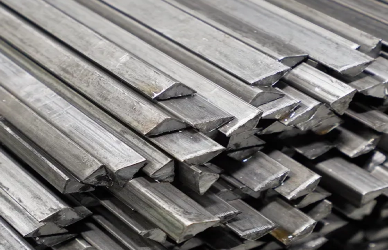
Key Benefits of Cold Drawn Steel in Construction and Manufacturing
1.High Strength and Durability
Cold drawn steel significantly enhances the strength and toughness of components, making it an ideal choice for demanding applications in both construction and manufacturing. The cold drawing process increases the material's tensile strength through work hardening, providing greater resistance to mechanical stress, fatigue, and wear. This makes cold drawn steel highly suitable for use in critical components such as structural beams, reinforcement bars, automotive parts, and heavy-duty machinery. Its strength and durability ensure that these components perform reliably over time, even under harsh conditions.
2.Dimensional Accuracy
One of the standout benefits of cold drawn steel is its exceptional dimensional accuracy. The cold drawing process allows for tight control over the material's size, shape, and thickness, ensuring that components meet precise specifications. This level of accuracy is critical in both construction and manufacturing, where precise fits are required for structural integrity and mechanical performance. Whether used for structural components in buildings or precision parts in machinery, the tight tolerances provided by cold drawn steel help prevent errors during assembly, reducing the need for additional machining and improving overall performance.
3.Corrosion Resistance
Cold drawn steel also offers superior corrosion resistance due to its smooth surface finish. The cold drawing process results in a polished, uniform surface that minimizes the likelihood of imperfections, such as cracks and pits, where corrosive agents could accumulate. This smooth surface helps to protect the material from environmental factors like moisture, chemicals, and pollutants, thereby prolonging the life of components. In construction, this enhances the durability of steel reinforcement bars and structural parts, while in manufacturing, it increases the longevity of machinery components exposed to harsh environments.
Frequently Asked Questions (FAQ)
1. What is cold drawn steel, and how is it produced?
Cold drawn steel is produced by pulling steel through a die at room temperature, which reduces its diameter and increases its length. This process causes plastic deformation, improving its strength, hardness, and dimensional accuracy. Unlike hot rolling, cold drawing is done without heating the material, resulting in precise, high-strength steel suitable for demanding applications.
2. Why is cold drawn steel used in construction?
Cold drawn steel is used in construction for its high strength, precision, and durability. It is ideal for reinforcing bars, structural components, and pipes, ensuring stability and longevity in concrete and steel structures. Its strength helps handle heavy loads, while its resistance to corrosion improves the lifespan of construction materials.
3. How does cold drawn steel benefit manufacturing applications?
Cold drawn steel offers high strength, dimensional accuracy, and wear resistance, making it ideal for precision parts, automotive components, and tools. The process improves the steel’s resistance to wear and fatigue, ensuring reliable performance in high-stress manufacturing environments.
4. What are the main advantages of using cold drawn steel over other materials?
Cold drawn steel provides superior strength, precise dimensions, improved surface finish, and better fatigue resistance. These properties make it ideal for applications that require durability, precision, and reliability, especially in construction, automotive, and manufacturing industries.
Conclusion
Cold drawn steel is an essential material in both the construction and manufacturing industries, offering significant advantages in terms of strength, precision, and durability. In construction, cold drawn steel plays a crucial role in reinforcing bars, structural components, and piping systems, providing the necessary strength and stability to withstand heavy loads and environmental stressors. Its enhanced resistance to corrosion and wear ensures long-lasting performance in both residential and industrial structures. In manufacturing, cold drawn steel is used to produce high-performance components such as precision shafts, rods, gears, and automotive parts, where dimensional accuracy and resistance to wear are paramount. The cold drawing process improves the steel's strength, dimensional precision, and fatigue resistance, making it ideal for parts subjected to heavy use and high-stress conditions. Looking to the future, advancements in cold drawing techniques, including new processing methods and technological innovations, are expected to further enhance the material’s properties, expanding its potential applications and increasing its performance in even more demanding industries.


