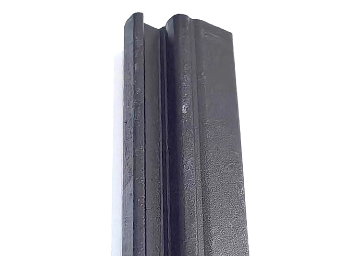
Cold-rolled steel is known for its strength, durability, and smooth finish, making it a popular choice in many industries such as automotive, construction, and manufacturing. However, like all steel, it is prone to rust and corrosion when exposed to moisture and oxygen over time. Rust can degrade the quality of the steel, leading to structural weaknesses, aesthetic issues, and a reduced lifespan of the material.
In this article, we will explore why cold-rolled steel is susceptible to rusting, and provide actionable tips on how to prevent this from happening. By following the appropriate techniques and using the right products, you can protect your cold-rolled steel from rust and ensure its longevity, maintaining the material’s performance, strength, and aesthetic appeal.
Why Does Cold Rolled Steel Rust?
Rust, or iron oxide, forms when steel is exposed to moisture and oxygen. Cold-rolled steel is particularly vulnerable to rusting because the surface is smoother and more reactive than hot-rolled steel, which means it can attract and absorb moisture more easily. The steel's surface can also have small defects or micro-abrasions that provide points of vulnerability where rust can form.
Unlike hot-rolled steel, which is often coated or treated to protect against corrosion, cold-rolled steel typically requires additional protection to prevent rusting. Whether used indoors or outdoors, cold-rolled steel must be maintained properly to avoid the detrimental effects of rust.
Best Practices to Prevent Rusting of Cold Rolled Steel
There are several effective strategies that can help prevent rusting on cold-rolled steel. By employing proper maintenance and protective coatings, you can significantly extend the lifespan of your steel products.
1. Apply Protective Coatings
One of the most effective ways to prevent rusting in cold-rolled steel is to apply protective coatings that act as a barrier between the steel and the elements. There are various types of coatings available, each with different properties depending on your needs.
Galvanizing: Galvanizing involves applying a layer of zinc to the surface of the steel, which prevents oxygen and moisture from reaching the metal. Hot-dip galvanizing is a popular method where the steel is dipped into molten zinc. This process provides long-lasting protection and is often used for outdoor applications like construction or infrastructure projects.
Powder Coating: Powder coating is a dry finishing process that applies a layer of fine powder to the steel surface, which is then cured under heat. This creates a tough, durable coating that resists rust and provides additional protection against physical wear. Powder coating is commonly used for aesthetic finishes in products like appliances or furniture.
Paint Coatings: Paint is a more affordable and accessible option to protect cold-rolled steel. Applying corrosion-resistant paint to the surface of the steel can act as a barrier against moisture and environmental factors that cause rusting. Some paints even contain rust inhibitors that provide extra protection for the steel.
2. Use Stainless Steel or Corrosion-Resistant Alloys
If rust resistance is a critical factor for your application, consider using stainless steel or corrosion-resistant alloys. Stainless steel contains chromium, which reacts with oxygen to form a passive layer that protects the material from rust and corrosion. Stainless steel is widely used in industries such as food processing, pharmaceuticals, and marine applications, where the steel is exposed to harsh environments.
However, if you are limited to using cold-rolled steel, you can still apply corrosion-resistant coatings like galvanizing or paint to reduce the risk of rusting.
3. Regularly Clean the Steel Surface
Keeping the cold-rolled steel clean and dry is one of the easiest and most effective ways to prevent rust. Dirt, dust, and moisture that accumulate on the surface can accelerate the corrosion process, especially when exposed to humidity or rain. Regular cleaning will help remove any contaminants or debris that might promote rust formation.
Wipe down surfaces regularly: If the steel is used indoors, regular cleaning with a dry cloth or a mild cleaning solution can help maintain its surface finish and prevent any buildup of corrosive substances.
Use dehumidifiers: For indoor environments where humidity levels are high, using a dehumidifier can help reduce the moisture in the air and prevent condensation from forming on the steel surface.
For outdoor applications: Ensure that the steel is not exposed to excessive moisture, especially in areas with high rainfall or humidity. If the steel is exposed to saltwater, as it often is in coastal areas, additional measures like rust inhibitors should be applied.
4. Apply Anti-Rust Chemicals and Treatments
In addition to physical coatings, there are also chemical rust inhibitors available that can be applied to cold-rolled steel to prevent corrosion. These inhibitors work by creating a protective layer on the steel’s surface that prevents moisture from coming into direct contact with the metal.
Rust Converter: This type of product reacts with existing rust to stop the corrosion process and forms a protective barrier on the surface. While it’s not a substitute for coatings like galvanizing, it can be a useful preventive measure in places where rust has already started to form.
Rust Inhibitors: Rust inhibitors are chemical compounds that can be sprayed or wiped onto the surface of cold-rolled steel to create a protective film. These products are often used for metal parts that are stored for long periods or in harsh conditions.
5. Control the Environment
One of the most effective ways to prevent rusting is to control the environment in which cold-rolled steel is used or stored. Exposure to extreme weather conditions, such as rain, snow, or high humidity, can significantly increase the likelihood of rust forming on steel surfaces.
Indoor Storage: When possible, store cold-rolled steel in a dry, temperature-controlled environment to avoid exposure to moisture. Steel that is exposed to moisture for extended periods is more likely to rust.
Protect from Saltwater: In coastal regions, saltwater exposure can rapidly accelerate rusting. If your cold-rolled steel is used or stored near the ocean, ensure it is adequately protected with coatings or stored in salt-free environments to minimize the risk of corrosion.
6. Regular Inspections
Routine inspections are essential for identifying early signs of rust or corrosion before they become severe. Inspect the steel regularly, especially if it is exposed to harsh conditions, and take corrective action as needed. Look for any discoloration, pitting, or surface damage that may indicate the onset of rust.
Performing maintenance early can prevent more severe damage, reduce downtime, and prolong the useful life of the steel.
Why Choose Tianjin Shengxiang Cold Drawn Steel Co., Ltd.
When it comes to sourcing high-quality cold-rolled steel that is durable, strong, and resistant to rust, Tianjin Shengxiang Cold Drawn Steel Co., Ltd. is a trusted provider. With years of experience in the steel industry, Tianjin Shengxiang offers an extensive range of cold-drawn steel products designed to meet the toughest standards for strength, durability, and performance.
Their expert team understands the intricacies of cold-rolled steel production and can help you select the best materials for your specific needs. Whether you're in the automotive, construction, or electrical industries, Tianjin Shengxiang’s steel products are designed to provide superior quality and reliability.
FAQ
Q: How does cold-rolled steel differ from hot-rolled steel?
A: Cold-rolled steel is processed at room temperature and results in a smoother surface, tighter tolerances, and greater strength. Hot-rolled steel is processed at high temperatures and typically has a rougher finish and larger dimensional variations.
Q: What causes cold-rolled steel to rust?
A: Cold-rolled steel rusts when it is exposed to moisture and oxygen, which causes the iron to react and form iron oxide (rust). The absence of protective coatings or improper maintenance can accelerate rust formation.
Q: Can I use cold-rolled steel outdoors?
A: Cold-rolled steel can be used outdoors, but it should be coated with a protective layer, such as galvanizing or paint, to prevent rusting when exposed to moisture or harsh weather conditions.
Q: How can I tell if my cold-rolled steel has started rusting?
A: Early signs of rust on cold-rolled steel include discoloration, pitting, or the appearance of reddish-brown spots. Inspect the steel regularly for any signs of damage or corrosion, especially if it’s exposed to moisture.


