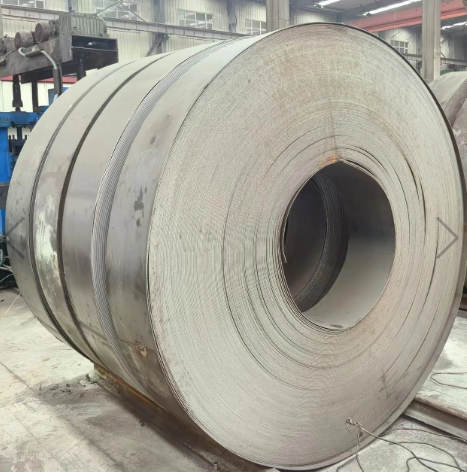
Yes, welding zinc-plated steel is mechanically possible. However, doing so introduces significant metallurgical flaws and severe occupational health risks if poorly managed. For commercial fabricators and engineering decision-makers, executing direct welds on zinc surfaces rarely meets high-level structural standards without major process modifications. The protective coating violently resists extreme heat. Trapped vapor directly compromises joint integrity. Simultaneously, highly toxic fumes physically endanger operators on the shop floor. Ignoring these realities leads to failed inspections and serious regulatory penalties.
This guide breaks down the underlying physical limitations of the process. You will learn the critical OSHA and COSHH compliance factors needed to protect your team daily. We also detail practical execution methodologies for managing heavily coated joints. Finally, we explore when you should bypass these hurdles entirely. You might discover it is wiser to partner with a specialized manufacturer to improve your overall production sequencing.
Key Takeaways
Physics Mismatch: Zinc vaporizes at ~1600°F (871°C), while steel melts at ~2800°F (1538°C), causing extreme spatter and joint porosity.
Health Hazards: Vaporized zinc causes "Metal Fume Fever." Strict adherence to LEV (Local Exhaust Ventilation) and OSHA limits (5 mg/m³) is non-negotiable.
Best Practice Workflow: Removing the coating prior to welding, or welding raw plate steel before the galvanizing process, yields the most structurally sound and cost-effective results.
Restoration is Mandatory: Any heat-affected zone (HAZ) loses its corrosion resistance and requires post-weld recoating (e.g., zinc-rich pastes or flame spraying).
The Core Metallurgical Challenge in Zinc-Plated Plate Steel
The Melting Point Differential
Welding failures root themselves in basic thermal physics. Zinc and steel possess drastically different thermal properties. Zinc boils at a relatively low temperature. Steel requires immense heat to reach a liquid state. When an electrical arc strikes the workpiece, temperatures instantly exceed 10,000°F (5500°C). The zinc layer flashes directly into a gaseous vapor. This phase change occurs long before the underlying Plate Steel begins to form a stable molten puddle. This rapid expansion creates a violent disruption at the joint.
Review the thermal properties in the chart below to understand this physical mismatch.
Material | Melting Point | Boiling/Vaporization Point | Behavior Under Welding Arc |
Zinc (Plating) | ~787°F (420°C) | ~1600°F (871°C) | Instantly vaporizes into toxic gas. |
Carbon Steel | ~2500°F (1371°C) | ~5432°F (3000°C) | Slowly forms a molten puddle. |
Impact on Weld Quality
Vaporized zinc ruins structural integrity. The gaseous zinc struggles to escape the freezing weld puddle. The steel solidifies around these gas bubbles. This phenomenon traps the gas permanently inside the joint. Inspectors identify this trapped gas as severe porosity. It manifests visibly as surface pitting and deep blowholes. A porous weld lacks the necessary mechanical strength. It routinely fails under tension or dynamic load testing. Strict industry standards, including AWS D1.1, strictly limit allowable porosity limits.
Throughput and Cost Implications
Direct welding creates intense business bottlenecks. The explosive vaporization causes excessive weld spatter. Tiny beads of molten metal adhere tightly to the workpiece. They also coat your welding guns and nearby tooling. Operators must spend hours grinding this spatter away. Post-weld grinding drives up labor expenses significantly. Furthermore, the aggressive spatter accelerates consumable wear. Contact tips and nozzles require constant replacement. You face frequent rework, delayed shipments, and frustrated clients.
Occupational Health, Safety, and Compliance (OSHA & COSHH)
Metal Fume Fever
Inhaling zinc oxide fumes triggers a severe physiological reaction. Industry professionals call this illness "Metal Fume Fever." Short-term acute symptoms mirror a severe flu. Workers experience intense chills, body aches, and overwhelming nausea. They often report a distinct metallic taste lingering in their mouths. These acute symptoms typically appear a few hours after exposure. Long-term respiratory risks present even greater dangers. Chronic exposure leads directly to asthma. It triggers chronic bronchitis and irreversible lung damage over time.
Regulatory Thresholds
Global health agencies enforce strict compliance metrics regarding heavy metal inhalation. Facility managers must carefully monitor airborne particulate levels. You face heavy fines for non-compliance. Authorities mandate the following exposure thresholds:
OSHA PEL (Permissible Exposure Limit): 5 mg/m³ averaged over an 8-hour working shift.
NIOSH STEL (Short-Term Exposure Limit): 10 mg/m³ measured over a 15-minute window.
NIOSH REL (Recommended Exposure Limit): 5 mg/m³ averaged over a 10-hour shift.
Required Engineering Controls
You cannot rely on passive shop ventilation. Strict engineering controls remain absolute necessities. Facilities must install source-capture fume extraction systems. Local Exhaust Ventilation (LEV) arms pull toxic fumes away before they reach the operator. Personal Protective Equipment (PPE) provides the final defense layer. Standard paper dust masks are entirely ineffective against atomic zinc. The tiny particles pass straight through basic filters. Operators must wear highly rated P100 respirators. Air-fed welding helmets offer the safest possible environment for your team.
Debunking Industry Myths
Dangerous myths plague manufacturing shop floors. A particularly persistent myth involves drinking milk. Many older welders claim drinking milk before a shift prevents zinc absorption. They believe the dairy coats their stomach lining. We must explicitly state this is completely false. Drinking milk offers zero occupational protection. Zinc oxide fumes enter the respiratory system. They invade the lungs. They do not enter the digestive tract. Relying on milk instead of certified mechanical ventilation is incredibly reckless.
Evaluation Framework: 3 Methodologies for Managing Zinc-Coated Joints
Engineering teams must evaluate how to handle pre-plated materials. You have three primary methodologies available. Each approach requires different tools, safety protocols, and labor commitments.
Pre-Weld Removal (Best for structural integrity)
Modifying the Welding Process (Best for unavoidable field repairs)
Mechanical Fastening (Best for avoiding thermal damage entirely)
Approach 1: Pre-Weld Removal (Highly Recommended)
Stripping the coating away yields the highest quality welds. You expose the raw steel beneath. This eliminates the root cause of porosity and spatter.
Mechanical Removal: Operators use flap discs, wire wheels, or localized sandblasting. You must grind at least one inch away from the intended weld zone. Remember, operators still need respiratory protection. Grinding creates highly toxic airborne zinc dust.
Chemical Removal: Acid pickling strips the zinc completely. You submerge parts in hydrochloric or muriatic acid. The acid dissolves the zinc layer. You must thoroughly rinse and neutralize the part afterward. Chemical stripping works beautifully for small components. It does introduce hazardous chemical handling requirements into your facility.
Approach 2: Modifying the Welding Process
Sometimes you cannot remove the plating. Direct welding becomes unavoidable in certain field applications. You must adjust your techniques carefully.
Consumable Selection: Use specific electrodes to manage the contamination. Select E-XX12 or E-XX13 electrodes for thin sheet metal. Switch to E-XX10 or E-XX11 for thicker materials and heavy pipe. We strongly advise using low-hydrogen electrodes for heavy structural plates.
Parameter Adjustments: You must alter your travel speed. Decrease your pace significantly. Push a much larger molten pool. A large, hot puddle stays liquid longer. This extra time allows vaporized zinc gas to escape completely. It dramatically reduces internal porosity.
Shielding Gases: Gas Metal Arc Welding (GMAW) requires specific gas blends. Utilize 100% CO2 for maximum penetration. Alternatively, utilize a 75% Argon and 25% CO2 mixture. These blends help stabilize the aggressive arc dynamics caused by zinc vaporization.
Approach 3: Mechanical Fastening (Alternative Engineering)
Ask yourself if welding is strictly necessary. Engineers frequently discover superior alternatives. Drilling and tapping provide excellent holding strength. Stainless steel bolting resists corrosion perfectly. Rivet nuts create strong threaded inserts in thin sheet metal. Mechanical fastening delivers a cleaner connection. It remains highly aesthetic for pre-plated parts. You bypass thermal hazards entirely. You eliminate toxic fume generation. You protect the original protective plating from heat destruction.
Post-Weld Restoration and Quality Assurance
The HAZ Vulnerability
Welding inevitably destroys the local protective coating. The extreme heat burns away the surrounding zinc layer. Industry professionals call this the Heat-Affected Zone (HAZ). The HAZ leaves the underlying steel entirely vulnerable. Rapid oxidation attacks the bare metal immediately. Rust develops within hours in humid environments. A rusted joint degrades structural aesthetics quickly. It eventually compromises the mechanical integrity of the entire assembly. You must intervene immediately after the metal cools.
Re-coating Solutions
Commercial restoration methods re-establish the critical protective barrier. You must prepare the surface properly first. Clean the weld area to SSPC-SP3 power tool cleaning standards. Remove all slag, spatter, and surface oxides.
Zinc-Rich Paste (Cold Galvanizing): These compounds contain high concentrations of pure zinc dust. You apply the paste heavily over the heated bare metal. The paste cures and bonds firmly. It provides excellent cathodic protection. It acts as a sacrificial anode against future corrosion.
Flame Spray Application: Large industrial operations utilize thermal spraying equipment. This process deposits molten zinc directly onto the vulnerable surface. It handles large surface areas efficiently. Standard guidelines dictate applying the flame spray heavily. You should apply it at 2.0 to 2.5 times the thickness of the original factory coating.
Scalability and Production Sequencing for Commercial Fabricators
Process Reversal for ROI
Scalable manufacturing demands efficiency. Direct welding on coated steel completely disrupts scalable automation. The most intelligent route involves process reversal. You should weld raw, unplated material first. Build your entire structural assembly using clean carbon steel. Perform all necessary non-destructive testing (NDT) on the raw joints. Once you finalize the assembly, send the entire unit out for hot-dip galvanizing. The molten zinc coats the welds, the crevices, and the flat surfaces uniformly. This workflow guarantees pristine structural integrity. It prevents porosity and eliminates workplace toxicity.
Partnering with a Manufacturer
Strategic sourcing transforms your production timeline. Purchasing raw, precision-cut steel profiles from a premium vendor optimizes throughput. Sourcing from a reliable high-end steel profiles manufacturer reduces your internal fit-up time dramatically. Perfect edges require zero manual grinding before fit-up. Precision cuts lower your overall welder training requirements. Clean, uncoated steel allows fast, highly automated welding. You finish fabrication quickly before any anti-corrosion plating ever takes place.
Automated Solutions
Certain industries demand pre-plated welding. Automotive manufacturing frequently welds galvanized stampings. Commercial facilities combat spatter using advanced automation. Standard MIG machines fail in these environments. Facilities deploy advanced pulse-arc welding systems. These machines monitor arc voltage thousands of times per second. They adjust the electrical parameters instantly. High-frequency wire-feed systems push and pull the wire dynamically. This precise control mitigates the violent zinc explosions. Automation handles the heat input perfectly. It delivers acceptable joint quality while minimizing destructive spatter.
Conclusion
Welding zinc-plated steel directly remains an inefficient workaround. It rarely qualifies as a primary best practice for serious fabrication. The inherent physical mismatch between zinc and steel guarantees severe joint porosity. Furthermore, the toxic fumes generated pose unacceptable risks to your workforce. Facility managers must prioritize both structural integrity and occupational health.
Re-evaluate your engineering blueprints immediately. Choose pre-weld zinc removal whenever possible. Investigate alternative mechanical fastening techniques for lighter assemblies. Above all, attempt to sequence your production logically. Weld clean, raw steel first. Send the finished assembly for secondary galvanizing later. By adopting these frameworks, you ensure perfect structural safety and maintain a completely hazard-free manufacturing facility.
FAQ
Q: Can you weld galvanized steel with a MIG welder?
A: Yes, you can weld galvanized steel using a MIG welder. However, it requires specific modifications. You must use suitable shielding gas mixes. Operators need to maintain slower travel speeds. Robust fume extraction remains critical. The process generates high heat and extreme spatter. Pushing a larger weld puddle allows zinc vapor to escape before the metal solidifies.
Q: How long does metal fume fever last?
A: Acute symptoms of metal fume fever typically clear within 24 to 48 hours. Workers often experience chills, nausea, and a metallic taste. Rest and hydration help resolve short-term discomfort. However, repeated exposure poses severe dangers. Chronic inhalation causes irreversible lung damage. Facility managers must never treat metal fume fever as a minor inconvenience.
Q: Does grinding off zinc plating make it safe to weld?
A: Yes, grinding off the plating improves structural weld quality. It removes the primary source of gas entrapment. However, the grinding process creates highly toxic zinc dust. Operators must wear P100 respiratory protection during removal. Mechanical removal exposes raw steel safely for the welding arc. You must clean the area thoroughly before striking an arc.
Q: Is drinking milk before welding zinc effective?
A: No. Drinking milk offers absolutely zero protection against inhaled zinc fumes. This dangerous shop-floor myth persists in many facilities. Milk enters the digestive tract. Zinc oxide fumes enter the respiratory system. You cannot coat your stomach to protect your lungs. Only certified mechanical ventilation and proper P100 respirators prevent heavy metal inhalation.


