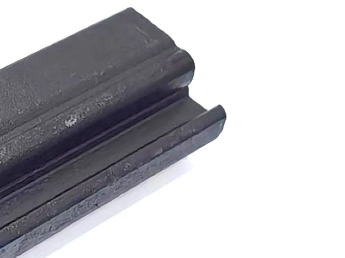
In the world of steel manufacturing and welding, understanding the materials you're working with is critical to achieving the best results. Among the various types of steel used in construction, automotive, and industrial applications, hot-rolled steel and cold-rolled steel are two of the most commonly used forms. Both offer unique advantages, but what happens when you need to weld these two types of steel together? Is it possible to weld hot-rolled steel to cold-rolled steel effectively? Let’s explore this question and the best practices for welding these two different types of steel.
What is Hot Rolled Steel?
Hot-rolled steel is made by heating steel above its recrystallization temperature (usually above 1700°F or 926°C) and then passing it through rollers to reduce its thickness. The metal is malleable at high temperatures, making it easier to shape into sheets, coils, or bars. Hot-rolled steel is typically used for products that require strength but do not need to meet specific dimensional tolerances or surface finish requirements. Common applications include:
Hot-rolled steel has a rougher surface finish and larger tolerances compared to cold-rolled steel, and it may have scale from oxidation on the surface.
What is Cold Rolled Steel?
Cold-rolled steel is steel that has been processed below its recrystallization temperature (room temperature), which gives it a smoother surface, tighter tolerances, and higher strength. The process involves passing the steel through rollers to reduce its thickness, and sometimes additional processes like annealing are applied to relieve internal stresses. Cold-rolled steel is typically used in applications where precise dimensions, strength, and a smooth surface finish are required. Common applications include:
Unlike hot-rolled steel, cold-rolled steel has a smooth and shiny finish and is often used in more aesthetically demanding applications.
Welding Hot Rolled Steel to Cold Rolled Steel: Is It Possible?
Now that we have a basic understanding of both materials, let’s address the core question: can you weld hot-rolled steel to cold-rolled steel? The short answer is yes, it is possible to weld hot-rolled steel to cold-rolled steel. However, there are several factors to consider, as welding these two materials together can be more challenging than welding two pieces of the same type of steel.
1. Different Properties of Hot Rolled and Cold Rolled Steel
The key to welding these two types of steel together lies in their differences in mechanical properties:
Hot-rolled steel is more ductile, meaning it can stretch and deform more easily. It also has a higher carbon content compared to cold-rolled steel, which can affect the weldability.
Cold-rolled steel, on the other hand, is harder and has a smoother finish, which can make it more susceptible to cracking if not properly prepared before welding. Its strength and precision also make it more sensitive to heat inputs during the welding process.
When welding hot-rolled steel to cold-rolled steel, the weld bead can potentially experience issues like distortion, cracking, and inconsistent fusion due to these differences. Proper control over the welding process is necessary to achieve a strong and durable weld.
2. Preparation of the Surface
Proper surface preparation is essential when welding hot-rolled steel to cold-rolled steel. Cold-rolled steel has a smooth surface that may be coated with oils or a protective film, while hot-rolled steel may have an oxidized surface layer (scale). Both materials need to be cleaned before welding to ensure proper bonding:
Clean the Surface: Remove any rust, oil, grease, or debris using abrasive materials like a wire brush, grinder, or chemical cleaning agents.
Preheat the Metals: In some cases, preheating the hot-rolled steel can help reduce the risk of thermal shock and minimize thermal expansion. This can improve the quality of the weld and prevent cracking.
3. Choosing the Right Welding Process
The welding process you choose is crucial for ensuring a strong and consistent weld between hot-rolled and cold-rolled steel. The most common methods include:
MIG Welding (Metal Inert Gas Welding): MIG welding is often used for welding both hot-rolled and cold-rolled steel, as it provides a continuous wire feed and is suitable for a variety of thicknesses. MIG welding is particularly good for welding these two types of steel because it offers good control over the heat input and the speed of the weld.
TIG Welding (Tungsten Inert Gas Welding): TIG welding is ideal for achieving high-precision welds and is used when a smooth, clean finish is required. TIG welding works well for welding cold-rolled steel, but it can be more challenging when welding hot-rolled steel due to its rough surface and oxidation.
Stick Welding (Shielded Metal Arc Welding): Stick welding can be used for welding hot-rolled and cold-rolled steel, though it is generally less precise than MIG or TIG welding. It’s more commonly used for structural and heavy-duty applications.
Each of these welding methods has its pros and cons, but choosing the right one depends on the materials' thickness, the desired weld appearance, and the specific requirements of the project.
4. Controlling Heat Input
As cold-rolled steel is more susceptible to heat-related damage, controlling heat input during the welding process is crucial to preventing distortion or cracking. Ensure that the heat is evenly distributed across the joint to minimize localized overheating, which can result in a poor-quality weld.
Use low heat settings: When welding cold-rolled steel, it is important to use lower heat settings and a controlled welding speed to avoid overheating the material.
Use multi-pass welding: For thicker materials, multi-pass welding can help distribute heat more evenly and prevent excessive heat buildup in the weld area.
5. Post-Weld Heat Treatment
After welding hot-rolled steel to cold-rolled steel, a post-weld heat treatment (PWHT) might be necessary to relieve any residual stresses that may have formed during the welding process. PWHT can also help restore ductility and reduce the risk of cracking.
The heat treatment should be performed at a specific temperature range and for a set amount of time, based on the properties of the steel and the welding process used. Always refer to industry-specific standards or guidelines for the best heat treatment practices.
Benefits of Welding Hot Rolled Steel to Cold Rolled Steel
Despite the challenges, welding hot-rolled steel to cold-rolled steel can offer several advantages when done correctly:
Versatility: Welding both hot-rolled and cold-rolled steel together allows manufacturers to take advantage of the specific benefits of each material, such as the strength of cold-rolled steel and the malleability of hot-rolled steel.
Cost-Effectiveness: Sometimes, using both materials in a project can help reduce costs. For example, hot-rolled steel can be used for less visible structural parts, while cold-rolled steel is used for aesthetic or precision-required components.
Improved Performance: By welding these two types of steel together, manufacturers can create components that are both strong and highly accurate in terms of dimension and surface finish.
Conclusion
Welding hot-rolled steel to cold-rolled steel is definitely possible, but it requires careful consideration and attention to detail. The differences in mechanical properties, surface finish, and hardness between the two types of steel mean that specific precautions must be taken to achieve a strong, durable weld. Choosing the right welding process, controlling heat input, and ensuring proper surface preparation are all crucial steps in the welding process.
For high-quality steel products and expert guidance on your welding projects, Tianjin Shengxiang Cold Drawn Steel Co., Ltd. offers a wide range of cold-rolled and hot-rolled steel products tailored to meet your needs. Their experienced team can provide the support you need to ensure that your welding projects are completed with the highest level of performance and durability.
FAQ
Q: Can I weld cold-rolled steel to hot-rolled steel without issues?
A: Yes, it is possible to weld hot-rolled steel to cold-rolled steel. However, it requires proper surface preparation, the right welding technique, and careful heat control to avoid issues like cracking or poor fusion.
Q: What is the main challenge when welding hot-rolled steel to cold-rolled steel?
A: The main challenge is the difference in mechanical properties and surface characteristics between the two materials. Cold-rolled steel is more susceptible to cracking due to its hardness and smooth finish, while hot-rolled steel is more ductile.
Q: Which welding method is best for welding hot-rolled and cold-rolled steel together?
A: MIG welding (Metal Inert Gas Welding) is typically the best method for welding these two types of steel together, as it provides good heat control and is suitable for various thicknesses.
Q: Do I need to heat treat the steel after welding it?
A: Post-weld heat treatment (PWHT) may be necessary to relieve stresses and prevent cracking, especially when welding cold-rolled steel. The treatment depends on the steel's thickness and welding conditions.


