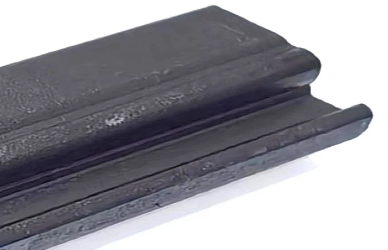
Cold rolled steel is steel that is processed at room temperature, below its recrystallization point, which allows it to retain its shape without significant deformation. This process results in a smooth surface and precise dimensions, offering better finish and tighter tolerances than hot rolled steel.
The key difference between cold rolled and hot rolled steel is the temperature at which they are processed. Cold rolled steel is formed at room temperature, while hot rolled steel is processed at high temperatures, making it easier to shape but with a rougher surface and less precise dimensions.
Cold rolled steel is vital in modern industries because of its high-quality surface, strength, and dimensional accuracy. It is commonly used in automotive, appliance, and electronics industries, where precision and durability are essential.
Features of Cold Rolled Steel
1.Overview of the Cold Rolling Process
Cold rolling is a metalworking process where steel is passed through rollers at room temperature, below its recrystallization point. This process strengthens the steel through strain hardening, resulting in a denser and more refined product. Unlike hot rolling, which is performed at high temperatures, cold rolling does not require heat, offering improved surface finish and better dimensional accuracy.
2.Surface and Quality Characteristics
Cold rolled steel is known for its smooth, shiny surface that is free of scale, making it ideal for applications requiring aesthetic appeal. The process also improves its mechanical properties, such as tensile strength and hardness. As a result, cold rolled steel is less likely to have imperfections like cracks or pits, ensuring consistent quality. The tight tolerances achieved during cold rolling also result in steel sheets and coils that are more dimensionally precise compared to hot rolled steel.
3.Pros and Cons: Why Choose Cold Rolled Steel
Pros:
Superior Surface Finish: Cold rolled steel has a smooth, glossy surface that is perfect for high-quality products.
Higher Strength: The cold rolling process increases the strength and hardness of the steel, making it suitable for demanding applications.
Dimensional Accuracy: The precise control of thickness and width during cold rolling results in tighter tolerances and better uniformity.
Better Workability: Cold rolled steel can be easily further processed, cut, bent, or welded without compromising its integrity.
Cons:
Higher Cost: Cold rolled steel is more expensive to produce due to the need for additional processing and higher energy consumption.
Lower Production Efficiency: The cold rolling process is slower than hot rolling, making it less efficient for large volumes.
Requires Annealing: In some cases, cold rolled steel needs to be annealed to relieve the internal stresses caused by the strain hardening process.
Applications of Cold Rolled Steel
1.Automotive Industry
Uses: Cold rolled steel is commonly used in the manufacturing of car bodies, frames, and various components.
Reason: Its excellent surface quality and high strength make it ideal for automotive applications, where both aesthetic appeal and durability are critical. Cold rolled steel can withstand the stresses and forces involved in automotive production, providing structural integrity and superior performance.
2.Appliance Industry
Uses: Cold rolled steel is widely used for the outer shells of household appliances, including refrigerators, washing machines, and air conditioners.
Reason: Its strong corrosion resistance and smooth appearance make it perfect for creating durable and visually appealing appliance exteriors. Additionally, its ability to withstand wear and tear ensures that products last longer while maintaining a sleek and polished look.
3.Construction Industry
Uses: Cold rolled steel is employed in structural materials, wall panels, and roofing sheets for construction projects.
Reason: With its high structural strength and ease of processing, cold rolled steel is an excellent choice for construction. It offers reliable support for buildings and infrastructure while being easy to cut, shape, and assemble into the necessary components.
4.Electronics Industry
Uses: In the electronics industry, cold rolled steel is used for the housings of devices such as TVs, computers, and audio equipment.
Reason: Its precise dimensions and smooth surface finish are crucial for the production of electronic components, where both functionality and visual quality are important. Cold rolled steel helps protect sensitive electronics and ensures a sleek, professional appearance.
5.Other Industries
Cold rolled steel is also widely used in various other sectors, including manufacturing, tool production, and more.
Reason: The material's versatility makes it suitable for a wide range of applications, where strength, precision, and surface quality are required. Whether for specialized tools or manufacturing parts, cold rolled steel delivers superior performance in diverse industries.
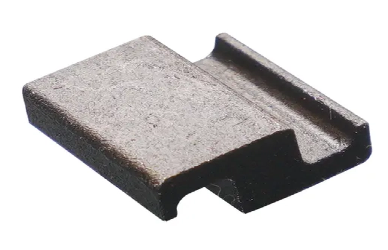
Advantages of Cold Rolled Steel
1.Bright Surface
Cold rolled steel is renowned for its smooth, shiny surface that gives it an attractive, polished appearance. This makes it particularly ideal for high-quality products that require both visual appeal and functional durability. Whether used in automotive, appliance, or electronics industries, the bright surface enhances the overall aesthetic of the finished product.
2.Precise Dimensions
One of the key advantages of cold rolled steel is its superior dimensional accuracy. The cold rolling process allows for tighter tolerances compared to hot rolled steel, making it an ideal choice for applications where precision is critical. This enhanced accuracy ensures that the steel fits seamlessly in manufacturing processes and meets strict specifications.
3.High Strength & Good Mechanical Properties
Cold rolled steel combines good formability with high strength, making it suitable for demanding applications. The cold rolling process increases the material's strength and hardness, providing excellent resistance to deformation under stress. This makes it ideal for products that require both durability and the ability to withstand mechanical forces.
4.Customization Capability
Cold rolled steel offers great flexibility in terms of customization. It can be tailored to meet specific shapes, sizes, and other customer requirements. Whether it's custom thickness, width, or specific alloy variations, cold rolled steel can be modified to suit a wide range of industrial and commercial applications, allowing for greater versatility and product innovation.
Challenges and Considerations of Cold Rolled Steel
1.High Cost
The production process for cold rolled steel is more costly than that of hot rolled steel. This is due to the additional processing steps required, such as the need for more energy, specialized equipment, and greater precision in control. The cost of raw materials and the need for skilled labor further contribute to the higher price, making cold rolled steel a more expensive option for certain applications.
2.Lower Production Efficiency
Compared to hot rolled steel, the cold rolling process is slower. Cold rolling requires more passes through the rollers at room temperature, and the material becomes harder with each pass, which slows down the production speed. This results in longer processing times and reduced production efficiency, especially for large volumes of steel.
3.Annealing Process Requirement
Cold rolled steel tends to undergo work hardening during the rolling process, making it more rigid and prone to cracking. To mitigate this, an intermediate annealing process is often required to relieve the internal stresses and restore ductility. This additional step adds time and cost to the production process but is necessary to ensure the steel can be further processed or used in applications where flexibility is important.
Despite these challenges, the benefits of cold rolled steel, such as its high-quality surface, dimensional accuracy, and strength, often outweigh the drawbacks in industries where these properties are critical.
Frequently Asked Questions (FAQ)
1. What is the difference between cold rolled steel and hot rolled steel?
Cold rolled steel is processed at a temperature below the steel's recrystallization point, while hot rolled steel is rolled at higher temperatures. Cold rolled steel has a smooth surface, precise dimensions, and is ideal for high-quality products, whereas hot rolled steel is easier to produce and is used for less demanding applications.
2. What are the advantages of cold rolled steel?
Cold rolled steel has a smooth surface, higher strength, and precise dimensions, making it suitable for products that require excellent appearance and performance, such as automotive parts, home appliance exteriors, and more.
3. Why is cold rolled steel more expensive than hot rolled steel?
The production process of cold rolled steel requires higher power from the rolling mills, lower rolling efficiency, and an intermediate annealing process to eliminate work hardening, which makes it more expensive to produce compared to hot rolled steel.
4. What industries primarily use cold rolled steel?
Cold rolled steel is widely used in industries such as automotive, appliances, construction, electronics, and more. It is particularly suitable for manufacturing products that require precise dimensions and high-quality surfaces, such as car bodies, refrigerator shells, and TV housings.
Conclusion
Cold rolled steel is a versatile and high-quality material that plays a crucial role across various industries, including automotive, appliances, construction, and electronics. Its superior surface finish, precise dimensions, and high strength make it ideal for applications that require both aesthetic appeal and structural integrity. Despite challenges such as higher production costs and lower efficiency compared to hot rolled steel, its ability to meet stringent quality standards makes it a preferred choice for many demanding applications. Looking ahead, the future prospects of cold rolled steel remain strong, particularly with the growing demand for advanced manufacturing processes, customization, and materials with higher durability. Its unique value lies in its ability to deliver exceptional surface quality, strength, and versatility, making it indispensable in industries where performance and appearance are equally important.


