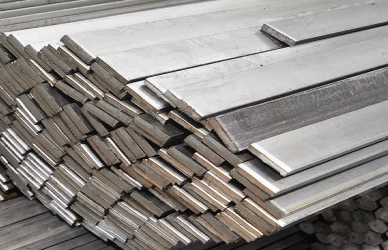
Cold drawn steel is a high-strength material produced through a process called "cold drawing," where steel is pulled through a die at room temperature to reduce its diameter and increase its length. This process not only shapes the steel but also enhances its mechanical properties, such as tensile strength and hardness, by introducing work hardening. Unlike hot rolled steel, which is processed at high temperatures, cold drawn steel is produced at lower temperatures, allowing for tighter tolerances and smoother surfaces. Cold rolled steel, on the other hand, undergoes a similar cold processing but typically doesn't achieve the same level of precision and strength as cold drawn steel due to the nature of the drawing process. The enhanced strength and durability of cold drawn steel make it essential for various industrial applications where high performance, precision, and longevity are crucial, such as in automotive parts, construction materials, and machinery components. Its ability to withstand stress, resist fatigue, and maintain dimensional accuracy makes it a valuable material in industries demanding superior mechanical properties.
The Cold Drawing Process
The cold drawing process involves pulling steel through a die at room temperature to reduce its diameter and increase its length. This is done without heating the material, which differentiates it from other processes like hot rolling. The steel is typically drawn through a series of progressively smaller dies, each reducing the size incrementally while increasing its length. As the steel passes through these dies, it undergoes significant plastic deformation, which aligns the grain structure and induces work hardening, making the steel stronger and harder.
1.Impact on Steel's Mechanical Properties
The primary effect of cold drawing on steel is the enhancement of its mechanical properties. The process significantly increases the material's tensile strength, which is the maximum stress the steel can withstand before breaking. The work hardening caused by the deformation also increases the hardness of the steel, making it more resistant to wear and fatigue. In addition to strength, cold drawing refines the grain structure of the steel, improving its overall toughness and durability. As a result, cold drawn steel exhibits greater resistance to cracking, fracture, and deformation under stress, making it ideal for high-performance applications.
2.Equipment Used and Control Over Dimensions and Finish
Cold drawing is typically performed using a drawbench or a wire drawing machine. A drawbench consists of a stationary die and a moving mechanism that pulls the steel through the die, either in a straight line or around a series of rollers. The process can be done using either a single pass or multiple passes, depending on the desired reduction in size.
The equipment used in cold drawing allows for precise control over the steel's dimensions, including its diameter and length. The draw dies are designed with tight tolerances to ensure consistent dimensional accuracy, which is a key advantage of cold drawn steel. Additionally, the process results in a smooth, polished surface finish that enhances the steel's appearance and reduces the likelihood of corrosion. The cold drawing process also ensures that the material has uniform properties along its length, which is crucial for applications that require high precision and consistency.
How Cold Drawn Steel Enhances Strength
1.Work Hardening
One of the key ways that cold drawing enhances the strength of steel is through a process known as work hardening. As steel is drawn through the die during cold drawing, the material undergoes plastic deformation, meaning that the steel's atomic structure is permanently altered. This deformation creates dislocations in the material's crystal lattice, which, over time, impede the movement of atoms within the steel. As a result, the steel becomes stronger and more resistant to further deformation. The increase in tensile strength due to work hardening makes cold drawn steel highly resistant to stress and better able to withstand forces that could cause other materials to deform or break.
2.Improved Grain Structure
Another significant effect of cold drawing on steel is the refinement of its grain structure. During the cold drawing process, the material's grains (the small crystalline structures within the steel) become elongated in the direction of the drawing. This results in a more uniform and aligned grain structure, which improves the steel's mechanical properties. A refined grain structure means the steel is less likely to fracture under stress, as the alignment of the grains allows the steel to better distribute applied forces. This improved grain structure leads to increased resistance to cracking, making cold drawn steel a more durable and reliable material in high-stress applications.
3.Increased Density
Cold drawing also increases the density of the steel. As the steel is pulled through the die, its cross-sectional area decreases while its length increases. This process effectively "packs" the atoms closer together, reducing the voids and spaces within the steel, which results in a denser material. The increase in density contributes directly to the steel's strength and toughness, as a denser material is less prone to weakness from internal inconsistencies. The increased density also enhances the steel’s ability to resist fatigue, making it ideal for applications where repeated stress could lead to failure in less dense materials.
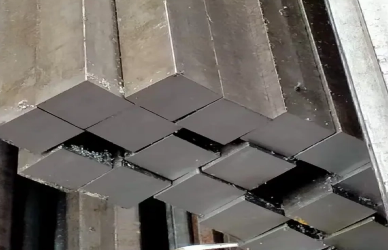
How Cold Drawn Steel Enhances Durability
1. Surface Finish
Cold drawn steel enhances durability through its smooth, polished surface. The cold drawing process eliminates surface imperfections like cracks and pits, providing a uniform finish that improves resistance to corrosion and wear. A smoother surface minimizes areas where corrosive agents can accumulate, making the steel less prone to rust and degradation. Additionally, the reduced surface friction enhances wear resistance, ensuring longer-lasting performance, especially in friction-prone or harsh environments.
2. Dimensional Precision
Cold drawn steel is known for its precise dimensional accuracy. The cold drawing process allows tight control over the material's size, shape, and thickness, ensuring it meets exact specifications. This precision improves durability, as components fit perfectly within their applications, reducing the risk of failure due to poor alignment. It also minimizes the need for further machining, making cold drawn steel reliable for parts requiring strict standards.
3. Fatigue Resistance
Cold drawn steel offers superior fatigue resistance, meaning it can withstand repeated loading cycles without developing cracks. The work hardening and increased density during the drawing process contribute to this enhanced fatigue resistance. The refined grain structure and denser atomic arrangement reduce the risk of crack formation under cyclical stress, making cold drawn steel ideal for parts subjected to repeated forces, such as springs, rods, or shafts, which might fail prematurely with other types of steel.
Applications of Cold Drawn Steel
1.Automotive Industry
Cold drawn steel is essential in the automotive industry for producing strong components like shafts, rods, and gears. Its high tensile strength and wear resistance make it ideal for parts that endure heavy stress, such as those in engines, suspension systems, and transmissions. The material’s precision and resistance to fatigue also ensure long-lasting performance in these critical automotive components.
2.Construction and Infrastructure
In construction, cold drawn steel is used for reinforced bars and structural components, providing strength and stability in concrete structures like buildings, bridges, and roads. Its precise dimensions and superior resistance to cracking make it a reliable choice for reinforcement, ensuring durability in both urban and harsh outdoor environments.
3.Machinery Manufacturing
Cold drawn steel is widely used in machinery manufacturing for components like shafts, bearings, and rods that require high strength and wear resistance. Its precision and fatigue resistance ensure reliable performance in machinery, reducing wear and extending the life of critical parts under continuous operation.
Frequently Asked Questions (FAQ)
1. What is the cold drawing process?
Cold drawing is a manufacturing process in which steel is pulled through a die to reduce its diameter and increase its length, resulting in a stronger and more durable material.
2. How does cold drawn steel improve strength?
Cold drawn steel improves strength through work hardening, which increases its tensile strength, and by refining its grain structure, leading to better resistance to fracture and higher overall strength.
3. What makes cold drawn steel more durable?
Cold drawn steel is more durable because it has a smooth surface finish that reduces corrosion, precise dimensions that enhance performance, and increased fatigue resistance due to the work hardening process.
4. Where is cold drawn steel commonly used?
Cold drawn steel is commonly used in automotive components, construction materials, and machinery manufacturing, where high strength, wear resistance, and durability are critical.
Conclusion
Cold drawn steel offers significant advantages in both strength and durability, making it a critical material for industries that require high-performance components. The process enhances strength through work hardening, refines the grain structure, and increases density, resulting in a material that is stronger, tougher, and more resistant to fracture. Additionally, cold drawn steel’s smooth surface, precise dimensions, and superior fatigue resistance improve its durability, making it ideal for demanding applications in automotive, construction, and machinery industries. As industries continue to push for more efficient, high-quality materials, the cold drawing process will likely see advancements in technology and techniques that further enhance the material's properties, including increased strength, better fatigue resistance, and improved surface finishes. These innovations will ensure that cold drawn steel remains an indispensable choice for high-performance applications in the future.


