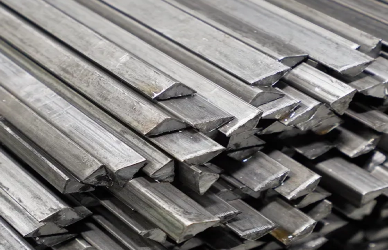
Cold drawn steel is a type of steel that is produced by pulling the material through a die at room temperature, which reduces its diameter and increases its length. This process, known as cold drawing, results in a significant enhancement of the steel’s mechanical properties, including increased strength, hardness, and dimensional accuracy. Cold drawn steel is known for its high tensile strength, precise dimensions, and excellent durability, making it ideal for applications that demand both performance and reliability. The smooth surface finish achieved through cold drawing also enhances its resistance to corrosion and wear. This article will focus on the industries that most commonly use cold drawn steel, such as automotive, construction, aerospace, and manufacturing, highlighting how its unique properties make it indispensable in high-performance applications.
Automotive Industry
1.Applications
Cold drawn steel is widely used in the automotive industry for producing critical components such as axles, suspension parts, and chassis. These components are essential for the structural integrity and performance of vehicles, as they must withstand heavy loads, mechanical stress, and harsh driving conditions. Cold drawn steel is also used in other automotive parts that require high precision and durability, ensuring reliable performance over time.
2.Reasons for Use
The primary reasons cold drawn steel is favored in automotive applications are its high strength, wear resistance, and dimensional accuracy. Cold drawn steel’s increased tensile strength ensures that components can handle the heavy mechanical forces they are subjected to in various automotive systems. Its wear resistance is crucial for parts like axles and suspension components, which experience repeated stress and friction. Additionally, the precise dimensional accuracy provided by the cold drawing process ensures that these parts fit seamlessly into the automotive system, minimizing the risk of failures due to poor fit or misalignment. Overall, cold drawn steel's ability to provide high strength and durability, along with its ability to maintain tight tolerances, makes it an essential material for the automotive industry.
Construction Industry
1.Applications
Cold drawn steel is extensively used in the construction industry for applications such as reinforced bars (rebars), structural beams, columns, and pipes. It plays a vital role in reinforcing concrete structures, ensuring they can bear heavy loads and endure external forces. Cold drawn steel is also used in various other structural components, where strength, accuracy, and long-term durability are essential for the integrity of the building.
2.Reasons for Use
Cold drawn steel’s ability to provide high strength, corrosion resistance, and dimensional precision makes it an ideal material for construction projects. The enhanced strength of cold drawn steel ensures that reinforced bars and structural components can withstand the mechanical stresses encountered in large-scale infrastructure projects, from residential buildings to bridges. Its smooth surface finish offers superior resistance to corrosion, especially in harsh environmental conditions, increasing the lifespan of construction materials. Furthermore, the precise dimensional accuracy of cold drawn steel ensures a perfect fit in construction applications, reducing the need for additional processing and enhancing the overall quality and safety of the structure. These properties make cold drawn steel indispensable in ensuring the durability and longevity of buildings and infrastructure.
Machinery Manufacturing
1.Applications
Cold drawn steel is widely used in machinery manufacturing to produce essential parts such as shafts, rods, gears, and bearings. These components are integral to the functioning of machinery in various industries, from automotive to industrial equipment, where precise operation and long-lasting durability are crucial.
2.Reasons for Use
Cold drawn steel is favored in machinery manufacturing due to its high strength, fatigue resistance, and dimensional accuracy. The high tensile strength ensures that components like shafts and gears can withstand the mechanical stresses and heavy loads encountered in machinery. Its superior fatigue resistance is vital for parts that are exposed to repeated stress, preventing premature failure and extending the lifespan of machinery. Additionally, the cold drawing process provides excellent dimensional precision, ensuring that components fit together seamlessly, enhancing the performance and reliability of the machinery. These properties make cold drawn steel an ideal choice for producing durable, high-performance parts for heavy-duty machinery.
Aerospace Industry
1.Applications
Cold drawn steel is used in the aerospace industry to manufacture critical components such as landing gear, structural parts, and fasteners. These components must meet stringent requirements for performance and safety, as they are subjected to extreme forces, temperatures, and conditions during flight.
2.Reasons for Use
The aerospace industry requires materials that offer a high strength-to-weight ratio, and cold drawn steel meets these needs effectively. Its superior strength ensures that parts like landing gear and structural components can withstand the intense mechanical stress they experience while maintaining structural integrity. Cold drawn steel's precision is essential for ensuring tight tolerances and reliable performance in complex aerospace applications. Furthermore, its durability and resistance to wear and fatigue make it ideal for parts that must endure the harsh conditions of aerospace environments, where reliability and safety are paramount. These qualities make cold drawn steel a key material in ensuring the performance, safety, and longevity of aerospace components.
Oil and Gas Industry
1.Applications
Cold drawn steel is widely used in the oil and gas industry for manufacturing pipes, tubing, and other components essential for drilling, extraction, and transportation of oil and gas. These components are critical for maintaining the efficiency and safety of oil and gas operations, which require materials that can withstand extreme pressures and harsh environmental conditions.
2.Reasons for Use
Cold drawn steel is highly valued in the oil and gas industry due to its strength, resistance to corrosion, and precise dimensions. The high tensile strength of cold drawn steel ensures that pipes and tubing can endure the significant stresses and pressures encountered during drilling and transportation processes. Its corrosion resistance is especially important in the oil and gas industry, where components are exposed to aggressive substances and harsh weather conditions. Additionally, the precise dimensional accuracy of cold drawn steel ensures proper fit and performance, minimizing risks and enhancing the reliability of critical infrastructure. These properties make cold drawn steel an ideal choice for applications in the challenging environments of the oil and gas industry.
Electrical and Electronics Industry
1.Applications
Cold drawn steel is commonly used in the electrical and electronics industry for manufacturing components such as wires, connectors, and enclosures. These parts are essential for the functioning of electronic devices, from everyday household appliances to complex machinery, where precision and reliability are crucial.
2.Reasons for Use
Cold drawn steel is preferred in the electrical and electronics industry due to its high precision and smooth surface finish. The cold drawing process ensures tight dimensional tolerances, making it ideal for components that require exacting standards, such as connectors and wiring. Its smooth surface finish also reduces friction and minimizes the likelihood of corrosion, enhancing the longevity of electronic components. Additionally, cold drawn steel’s strength and durability ensure that these parts maintain their structural integrity and resist wear over time, contributing to the overall reliability and performance of electronic devices. These qualities make cold drawn steel an excellent choice for ensuring both electrical conductivity and long-lasting durability in electronic applications.
Frequently Asked Questions (FAQ)
1. How does cold drawn steel differ from hot rolled steel in terms of applications?
Cold drawn steel offers higher precision and strength, making it ideal for applications that require tight tolerances and superior mechanical properties. In contrast, hot rolled steel is more suitable for general structural applications where precision and surface finish are less critical.
2. Is cold drawn steel used in consumer products?
Yes, cold drawn steel is used in consumer products, particularly in industries like electronics and appliances, where precise components like wires, housings, and frames are needed for high-quality performance.
3. Why is cold drawn steel preferred in high-stress applications?
Cold drawn steel is preferred in high-stress applications due to its enhanced tensile strength, dimensional accuracy, and resistance to wear and fatigue. These properties make it capable of withstanding extreme mechanical forces and harsh environments.
4. Can cold drawn steel be used for both small and large-scale industrial applications?
Yes, cold drawn steel is versatile and can be used for both small and large-scale industrial applications. Whether for precision parts in machinery or large structural components in construction, cold drawn steel’s strength, precision, and adaptability make it suitable for a wide range of industries.
Conclusion
Cold drawn steel plays a vital role in a variety of key industries, including automotive, construction, aerospace, oil and gas, and electronics, due to its exceptional strength, precision, and durability. The cold drawing process enhances the material’s mechanical properties, making it ideal for components that require high performance and reliability. In automotive applications, cold drawn steel ensures the strength and durability of parts like axles and suspension components, while in construction, it provides structural integrity through reinforced bars and beams. In the aerospace industry, it supports high-performance parts such as landing gear and structural components, meeting the industry's strict requirements. Across all these industries, cold drawn steel’s ability to maintain precise dimensions and resist wear and corrosion significantly enhances the performance, longevity, and safety of components. As industries continue to demand higher-quality materials, cold drawn steel remains an indispensable choice for ensuring the success of both everyday and highly specialized applications.


