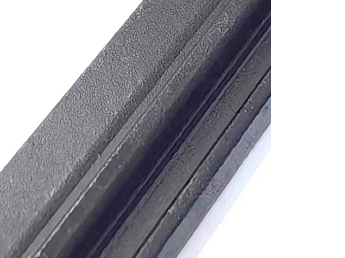
In the world of metallurgy, the process of cold rolling plays an essential role in shaping metals into the desired forms for a wide range of applications. From the automotive industry to construction, cold-rolled steel is an indispensable material. Known for its precision, durability, and smooth surface finish, cold-rolled steel is used in everything from automotive parts to industrial machinery. But what exactly is cold-rolled steel, and why is it so critical in today’s manufacturing world?
In this article, we will explore what cold-rolled steel is, the process involved in making it, its advantages, applications, and how it compares to hot-rolled steel. This guide will also provide you with insights into the factors that contribute to the unique properties of cold-rolled steel, making it the go-to material for high-performance, high-precision manufacturing.
What is Cold Rolled Steel?
Cold-rolled steel refers to steel that has been rolled at room temperature below its recrystallization temperature. It is rolled at a temperature below the metal's recrystallization point (typically around 15-25°C or 59-77°F), as opposed to hot-rolled steel, which is processed at high temperatures.
The process of cold rolling involves passing the steel through a set of rollers, which gradually reduce its thickness. During this process, the metal’s strength increases due to strain hardening, which enhances its mechanical properties and allows it to meet tight dimensional tolerances.
Cold-rolled steel is typically used when high precision and a smooth surface finish are required. The process results in a material that is much stronger, smoother, and more durable than hot-rolled steel. Cold-rolled steel is widely used in industries where strength, dimensional accuracy, and surface finish are of the utmost importance.
How is Cold Rolled Steel Made?
The production of cold-rolled steel involves several key steps that contribute to its enhanced characteristics. Here is a breakdown of the cold rolling process:
1. Preparation of the Steel
The process begins with hot-rolled steel, which has already been processed at high temperatures and shaped into coils or strips. This hot-rolled steel is often referred to as the feedstock for the cold-rolling process. The hot-rolled steel is first cleaned to remove any surface imperfections or oxides formed during the hot rolling process.
2. Cold Rolling
The cleaned steel is then passed through rollers that compress it, reducing its thickness. This is where the metal undergoes strain hardening. As the steel is rolled, it becomes stronger, harder, and more refined. The reduction in thickness is typically done in multiple passes through the rollers, allowing for the precise control of the final thickness and shape.
Single Stand Rolling: The simplest form of cold rolling, where the metal is passed through a single set of rollers.
Tandem Rolling: The metal passes through multiple stands in sequence, which allows for greater reductions in thickness.
Cluster Rolling: Used for thick materials, cluster rolling uses multiple rollers in a specific arrangement to provide more force and pressure on the metal.
The process can take place at a cold rolling mill, where the steel is passed through several rollers that progressively reduce its thickness and improve its surface finish.
3. Annealing
Annealing is a heat treatment process where the cold-rolled steel is heated to a specific temperature to relieve internal stresses. Cold rolling can create internal stresses in the steel, and annealing helps to reduce these stresses, making the material easier to work with.
The steel is then slowly cooled to room temperature, and the material gains improved ductility and formability while maintaining its high strength. Annealing also enhances the workability of the steel, allowing it to be further processed into the desired shapes.
4. Finishing Processes
After the cold rolling and annealing processes, the steel may undergo additional finishing processes, such as pickling, coating, or polishing. Pickling removes any scale or oxidation from the surface of the steel, while coating adds a protective layer, such as galvanization, to improve corrosion resistance. Polishing can improve the surface finish, making the steel smooth and aesthetically pleasing.
5. Final Products
Once the cold-rolled steel has been rolled, annealed, and finished, it is now ready to be made into a variety of products. The final product can be cold-rolled steel sheets, strips, or coils, which are then further processed and used in a variety of industries, including automotive manufacturing, construction, electronics, and industrial applications.
Advantages of Cold Rolled Steel
Cold-rolled steel offers several distinct advantages over other forms of steel, particularly when it comes to its strength, precision, and surface finish. Let’s look at some of the key benefits of cold-rolled steel:
1. Higher Strength
One of the primary benefits of cold-rolled steel is its increased tensile strength. The cold rolling process increases the material’s strength through strain hardening, which makes the steel harder and more resistant to wear. This is particularly important for applications that require high strength to withstand stress and fatigue.
2. Superior Surface Finish
Cold-rolled steel is known for its smooth surface. Unlike hot-rolled steel, which has a rougher surface finish, cold-rolled steel is much smoother and more aesthetically pleasing. The smooth surface makes it easier to paint, coat, or laminate the material, and it is especially important for products that need a high-quality finish, such as automotive parts and appliances.
3. Tight Dimensional Tolerances
Cold-rolled steel is processed under precise conditions, allowing for tight dimensional control. This means that cold-rolled steel products have very accurate thicknesses, lengths, and widths, making them ideal for industries that require exact measurements. The precision provided by cold rolling also means that there is less material waste during production, as the steel can be processed to the exact specifications.
4. Increased Durability and Longevity
Due to the strain hardening that occurs during the cold rolling process, cold-rolled steel tends to be more durable and resistant to wear and tear than other types of steel. This increased durability makes cold-rolled steel ideal for applications where long-lasting performance is required, such as in structural components and machinery parts.
5. Better Workability
While cold-rolled steel is stronger than hot-rolled steel, it also retains the necessary ductility to allow for further shaping or bending without cracking. This makes it ideal for forming into intricate shapes and designs in manufacturing processes that require bending, stretching, or pressing.
Applications of Cold Rolled Steel
Cold-rolled steel is used in a wide range of industries due to its superior strength, precision, and finish. Some of the most common applications include:
1. Automotive Industry
Cold-rolled steel is widely used in the automotive industry for manufacturing car body panels, structural components, suspension parts, and engine components. The material’s strength, precision, and smooth finish are crucial in ensuring the safety, durability, and aesthetics of automotive parts.
2. Construction Industry
In the construction industry, cold-rolled steel is used for reinforced steel bars, structural beams, steel columns, and roofing materials. The high tensile strength and precise dimensions of cold-rolled steel make it ideal for construction applications, especially in large-scale commercial and residential buildings.
3. Electronics and Appliances
Cold-rolled steel is also a critical material in the production of appliances and electronics. The smooth surface finish makes it ideal for metal casings for household appliances such as refrigerators, microwaves, and washing machines. It is also used for electrical enclosures and motors in various consumer electronics.
4. Industrial Machinery
Cold-rolled steel is commonly used in the manufacture of machinery components such as shafts, bearings, gears, and cutting tools. The material’s high strength and precision make it ideal for producing components that need to endure heavy-duty operations.
5. Furniture Manufacturing
Cold-rolled steel is widely used in the furniture industry for creating metal frames, desks, and workstations. Its smooth finish, strength, and precision make it ideal for designing modern, durable furniture.
Cold Rolled Steel vs. Hot Rolled Steel
While both cold-rolled steel and hot-rolled steel are used in manufacturing, they differ in several key aspects:
Temperature: The primary difference between cold-rolled and hot-rolled steel is the temperature at which they are processed. Cold-rolled steel is processed at room temperature, while hot-rolled steel is processed at high temperatures (above 1700°F or 926°C).
Surface Finish: Cold-rolled steel has a smoother, cleaner finish compared to hot-rolled steel, which has a rougher, more scale-like texture.
Strength: Cold-rolled steel tends to have higher tensile strength due to the strain hardening that occurs during processing. Hot-rolled steel is more malleable but has lower strength compared to cold-rolled steel.
Cost: Cold-rolled steel is more expensive than hot-rolled steel due to the additional processing involved, including annealing and finishing.
Conclusion
Cold-rolled steel is a versatile, high-performance material used in numerous industries that require strength, precision, and durability. Its superior surface finish, precise dimensional accuracy, and ability to withstand heavy stress make it ideal for applications in the automotive, construction, electronics, and machinery industries. While it requires more processing than hot-rolled steel, the advantages of cold-rolled steel in terms of mechanical properties and aesthetics make it an invaluable material in modern manufacturing.
For companies looking for top-quality cold-rolled steel products, Tianjin Shengxiang Cold Drawn Steel Co., Ltd. offers an extensive range of cold-drawn steel products. With years of experience and a commitment to quality, their cold-rolled steel products provide the strength, precision, and durability needed to succeed in a wide variety of industries.
FAQ
Q: What is the main difference between cold-rolled and hot-rolled steel?
A: The primary difference is the temperature at which they are processed. Cold-rolled steel is processed at room temperature, offering better precision and surface finish, while hot-rolled steel is processed at high temperatures and has a rougher finish.
Q: What are the benefits of using cold-rolled steel?
A: Cold-rolled steel offers higher strength, a smoother surface, tighter dimensional tolerances, and improved durability compared to hot-rolled steel, making it ideal for precision manufacturing and high-performance applications.
Q: Is cold-rolled steel more expensive than hot-rolled steel?
A: Yes, cold-rolled steel is generally more expensive than hot-rolled steel due to the additional processing steps and higher precision involved.
Q: What industries use cold-rolled steel?
A: Cold-rolled steel is used in industries like automotive manufacturing, construction, electronics, appliances, and industrial machinery, where high strength, precision, and surface finish are required.


