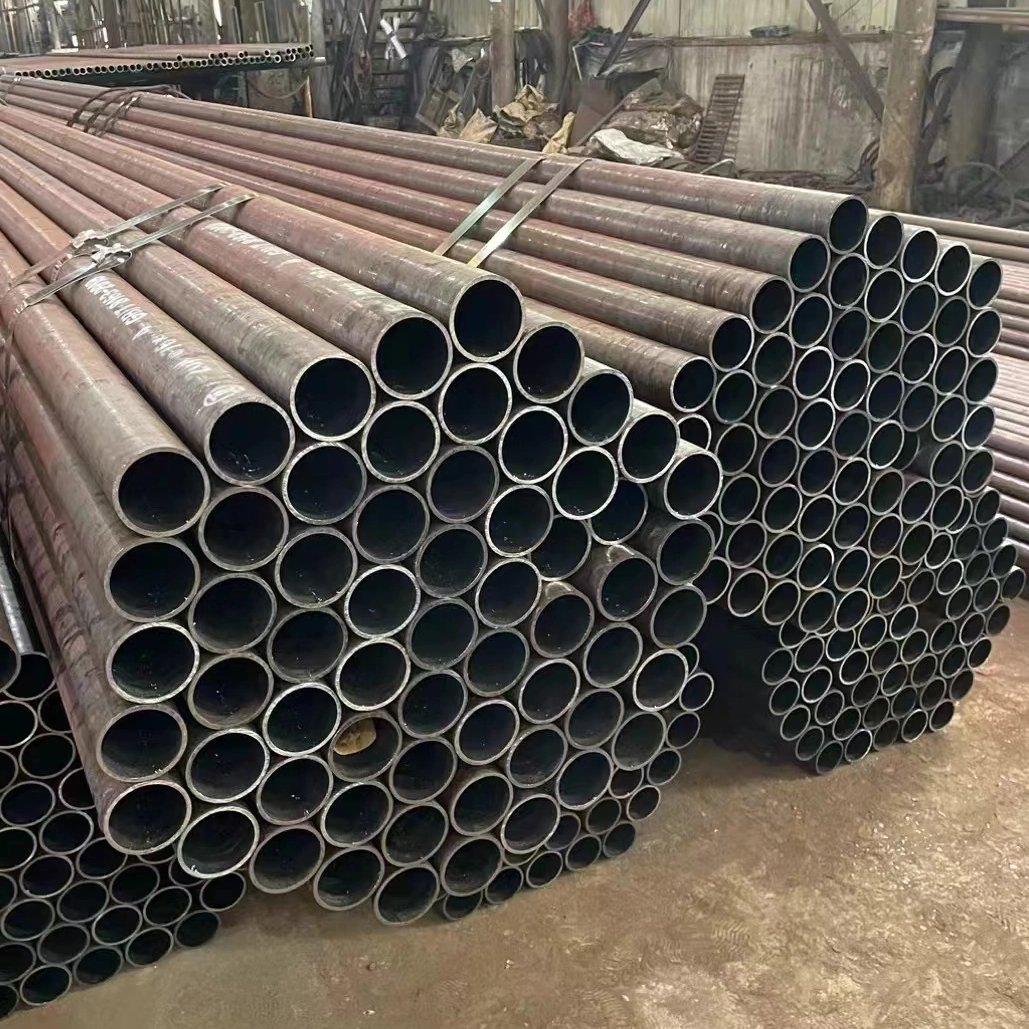
Pipe steel plays a pivotal role in numerous industries, serving as a fundamental component in sectors ranging from oil and gas to construction and infrastructure development. Its versatility and strength make it an essential material for transporting fluids, supporting structures, and facilitating various engineering applications. In this comprehensive analysis, we delve into the properties, manufacturing processes, and applications of pipe steel, highlighting its significance in modern engineering and technology.
Properties of Pipe Steel
The effectiveness of pipe steel in industrial applications is largely attributed to its mechanical properties. These properties include high tensile strength, ductility, and resistance to both internal and external pressures. The microstructure of pipe steel, often enhanced through alloying and heat treatment, contributes to its durability and performance under extreme conditions.
Chemical Composition
The chemical composition of pipe steel typically involves a combination of iron and carbon, with additional elements such as manganese, silicon, and phosphorus to improve strength and weldability. For instance, the inclusion of manganese enhances tensile strength and hardenability, which is crucial for pipes subjected to high-pressure environments.
Mechanical Properties
Mechanical properties such as yield strength, tensile strength, and elongation are critical for pipe steel's performance. According to a study published in the Journal of Materials Engineering, optimizing these properties through controlled rolling and cooling processes can significantly enhance the pipe's ability to withstand harsh operational conditions.
Manufacturing Processes
The production of pipe steel involves several key manufacturing processes, each contributing to the final product's quality and application suitability. Understanding these processes is essential for engineers and industry professionals who aim to select the appropriate pipe steel for specific applications.
Hot Rolling
Hot rolling is a primary method used in producing pipe steel. This process involves rolling the steel at temperatures above its recrystallization point, allowing for the formation of large sections of pipe steel with enhanced ductility. A report by the American Institute of Steel Construction indicates that hot-rolled pipe steel exhibits improved structural integrity, making it suitable for heavy-duty applications.
Cold Drawing
Cold drawing is another crucial process, particularly for applications requiring precise dimensions and superior surface finish. This technique involves pulling the steel through a die at room temperature, resulting in pipe steel with enhanced mechanical properties and dimensional accuracy.
Welding Techniques
Various welding methods, such as Electric Resistance Welding (ERW) and Submerged Arc Welding (SAW), are employed to join steel plates or coils to form pipes. The choice of welding technique affects the pipe's strength and suitability for different pressure levels and environments. According to the International Journal of Pressure Vessels and Piping, advancements in welding technology have significantly improved the performance of welded pipe steel in critical applications.
Applications of Pipe Steel
Pipe steel's robustness and adaptability make it indispensable across a spectrum of industries. Its applications are continually expanding with technological advancements and the emergence of new engineering challenges.
Oil and Gas Industry
In the oil and gas sector, pipe steel is utilized for drilling operations, transportation of hydrocarbons, and construction of offshore platforms. The material's ability to withstand high pressures and corrosive environments is critical. A study by Petroleum Science and Technology emphasizes the importance of selecting appropriate pipe steel grades to prevent failures in subsea pipelines.
Construction and Infrastructure
Pipe steel is a fundamental element in constructing buildings, bridges, and other infrastructure projects. Its high strength-to-weight ratio and flexibility in fabrication allow architects and engineers to design innovative and sustainable structures. The use of pipe steel in skyscrapers and long-span bridges demonstrates its versatility and reliability.
Automotive and Mechanical Engineering
In automotive engineering, pipe steel is essential for manufacturing exhaust systems, drive shafts, and structural components. The industry's shift towards lightweight and high-strength materials has led to increased use of advanced high-strength pipe steel. Research published in the SAE International Journal of Materials and Manufacturing highlights the development of new pipe steel grades that meet the demanding performance criteria of modern vehicles.
Advancements in Pipe Steel Technology
Continuous innovation in metallurgy and manufacturing processes has led to the development of pipe steel with superior properties. These advancements address the challenges posed by extreme operating conditions and environmental concerns.
High-Strength Low-Alloy Steels (HSLA)
HSLA steels offer enhanced strength without a significant increase in weight. They contain micro-alloying elements like niobium and vanadium, which refine the grain structure and improve mechanical properties. The implementation of HSLA pipe steel in pipeline projects has resulted in cost savings and improved safety, as documented in the Pipeline and Gas Journal.
Corrosion-Resistant Alloys
Corrosion remains a major concern for pipe steel, especially in marine and chemical processing environments. The development of corrosion-resistant alloys, including stainless steels and duplex steels, has been instrumental in extending the service life of pipes. Studies in the Corrosion Science journal have demonstrated the effectiveness of these alloys in harsh environments.
Nano-structured Steel
Emerging technologies in nano-structuring have opened new possibilities for pipe steel. By manipulating the steel at the nanoscale, scientists can enhance properties like strength, toughness, and wear resistance. Research conducted by the National Institute of Standards and Technology (NIST) indicates that nano-structured pipe steel could revolutionize future pipeline materials.
Quality Control and Standards
Ensuring the quality and reliability of pipe steel is critical. International standards and rigorous testing protocols are in place to guarantee that the steel meets the required specifications for its intended use.
Testing Methods
Mechanical testing, including tensile, impact, and hardness tests, evaluates the pipe steel's performance under various conditions. Non-destructive testing methods such as ultrasonic testing and radiography are also employed to detect internal defects. The American Society for Testing and Materials (ASTM) provides comprehensive standards for these testing procedures.
Certification and Compliance
Compliance with international standards like ISO 3183 for pipeline transportation systems ensures that pipe steel products are safe and fit for purpose. Manufacturers undergo certification processes to verify that their products meet these stringent requirements. This adherence to standards is crucial for maintaining trust and reliability in critical infrastructure projects.
Environmental Considerations
The production and utilization of pipe steel have environmental implications. The industry is actively seeking ways to reduce its carbon footprint and promote sustainability.
Recycling and Sustainability
Steel is one of the most recycled materials globally. Recycling pipe steel reduces the demand for raw materials and energy consumption, thereby diminishing greenhouse gas emissions. The World Steel Association reports that steel recycling saves approximately 1.5 tons of CO2 for every ton of steel recycled.
Innovations in Green Manufacturing
Advancements in manufacturing technologies, such as electric arc furnaces and hydrogen-based steelmaking, are reducing the environmental impact of pipe steel production. Companies are investing in research to develop processes that minimize waste and energy usage, aligning with global sustainability goals.
Case Studies
Examining real-world applications of pipe steel provides insights into its performance and the challenges encountered during its use.
Trans-Alaska Pipeline System
The Trans-Alaska Pipeline System, spanning over 800 miles, utilizes pipe steel capable of withstanding extreme temperatures and seismic activity. The project's success is attributed to meticulous material selection and engineering practices, demonstrating the critical role of pipe steel in large-scale infrastructure.
Offshore Drilling Platforms
Offshore platforms in the North Sea rely on pipe steel with exceptional corrosion resistance and strength. The harsh marine environment necessitates the use of advanced materials and protective coatings. Studies have shown that the longevity of these structures depends heavily on the quality of the pipe steel used.
Future Trends
The pipe steel industry continues to evolve, driven by technological innovations and shifting market demands. Anticipating future trends is essential for stakeholders aiming to remain competitive and meet the challenges ahead.
Smart Pipeline Systems
Integration of sensors and monitoring technologies into pipe steel structures is becoming increasingly prevalent. These smart systems enable real-time data collection on parameters like stress, temperature, and corrosion, enhancing maintenance strategies and preventing failures. The convergence of materials science and digital technology heralds a new era for pipeline management.
Customized Alloy Development
Advancements in computational metallurgy allow for the tailored design of pipe steel alloys to meet specific application needs. Machine learning algorithms can predict how changes in composition and processing affect properties, expediting the development of new materials. This approach facilitates the creation of pipe steel with optimized performance for unique challenges.
Conclusion
Pipe steel remains a cornerstone of modern industry, its applications and importance undiminished by time. The ongoing research and development efforts in enhancing its properties and manufacturing processes attest to its critical role. As the world advances towards more complex engineering feats and sustainable practices, the evolution of pipe steel will undoubtedly continue, driven by innovation and the relentless pursuit of excellence in materials science.


