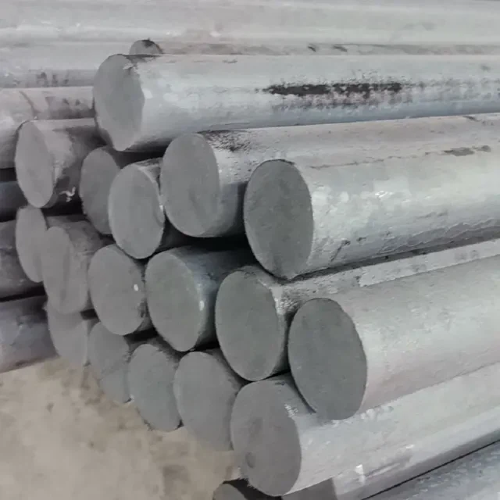
Hot rolled steel is a widely used material in large-scale manufacturing due to its cost-effectiveness, versatility, and excellent mechanical properties. It is the material of choice for a variety of industries, including automotive, construction, heavy machinery, and energy. This article explores why hot rolled steel is ideal for large-scale manufacturing and highlights its advantages, applications, and key considerations when selecting the right steel for your project.
What Is Hot Rolled Steel?
Hot rolled steel is produced through a process in which steel is heated above its recrystallization temperature and passed through rollers to shape it into different forms, such as sheets, plates, or structural components. The hot rolling process gives the steel its distinct properties, including improved strength, ductility, and workability. Unlike cold rolled steel, which is processed at room temperature, hot rolled steel is generally used in applications where precise dimensions are not as critical.
Hot rolled steel offers several key characteristics:
Strength: The heating process refines the steel’s grain structure, enhancing its overall strength and toughness.
Ductility: Hot rolling makes the steel more ductile, allowing it to be easily formed into various shapes.
Cost-Effectiveness: The hot rolling process is less expensive than cold rolling, making it a cost-efficient choice for large-scale production.
Key Benefits of Using Hot Rolled Steel for Large-Scale Manufacturing
Cost-Effectiveness
One of the most significant advantages of using hot rolled steel in large-scale manufacturing is its cost-effectiveness. The hot rolling process is less expensive than cold rolling because it requires less energy and does not involve the precise cooling or finishing steps of cold-rolled steel. This makes hot rolled steel a more affordable option, particularly for projects that require large quantities of steel.
Additionally, the reduced cost of production for hot rolled steel allows manufacturers to use the material in large-volume production without compromising on performance. For industries like construction and automotive manufacturing, where materials are often used in bulk, hot rolled steel offers substantial savings.
Improved Workability and Formability
Hot rolled steel is known for its improved workability and formability. Because the steel is processed at high temperatures, it becomes softer and easier to manipulate, making it ideal for shaping into large or complex forms. This is especially beneficial in large-scale manufacturing, where components need to be formed into specific shapes without cracking or failure.
The material’s malleability allows for various shaping processes, such as bending, cutting, and welding, making it suitable for a wide range of manufacturing applications. From structural beams to automotive frames, hot rolled steel can be easily molded to meet design specifications.
Large-Scale Production Efficiency
Hot rolled steel offers excellent large-scale production efficiency. Due to its quick production cycles, it is well-suited for mass manufacturing. The process allows manufacturers to produce large quantities of steel quickly, reducing lead times and enhancing overall productivity.
Additionally, hot rolled steel can be processed in bulk, which is essential for large-volume manufacturing. Industries like construction and automotive, which require high quantities of material, benefit from the high throughput and low-cost nature of hot rolled steel.
High Durability and Strength
The durability and strength of hot rolled steel make it an ideal material for heavy-duty applications. The material is known for its ability to withstand high stress and external forces without breaking or deforming. Hot rolled steel is often used in structural components like beams, columns, and frames that require substantial strength and stability.
Compared to cold rolled steel, hot rolled steel is more resistant to deformation under stress, making it ideal for large-scale manufacturing applications where the material is subjected to continuous or high-pressure forces. The enhanced durability of hot rolled steel ensures that parts and structures remain intact over time, reducing the need for repairs and replacements.
Versatility in Applications
Hot rolled steel is versatile and can be used in a variety of manufacturing applications. From construction to machinery manufacturing, hot rolled steel is found in many industries due to its adaptability and range of forms. The ability to use hot rolled steel for a variety of components makes it a reliable option for large-scale production.
Application | Benefits of Hot Rolled Steel |
Construction | Ideal for structural components, beams, and rebar. |
Automotive | Used for chassis, frames, and heavy-duty parts. |
Heavy Machinery | Suitable for manufacturing durable equipment parts. |
Energy | Used for pipelines, energy supports, and tanks. |
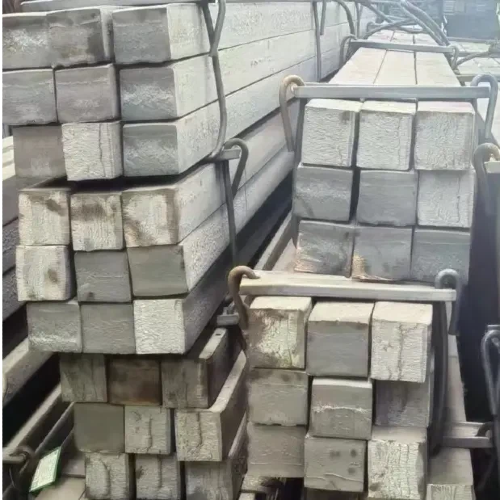
Applications of Hot Rolled Steel in Large-Scale Manufacturing
Construction Industry
In the construction industry, hot rolled steel is commonly used for structural components such as beams, columns, and rebar. Hot rolled steel provides the strength and reliability needed for buildings, bridges, and other infrastructure projects. Its ductility allows for easy fabrication into various shapes and sizes, making it suitable for custom structural applications.
Hot rolled steel’s cost-effectiveness is also beneficial in large-scale construction projects where bulk materials are needed. The ability to produce large quantities of steel quickly and at a lower cost ensures that construction projects can proceed on time and within budget.
Automotive Industry
Hot rolled steel is a critical material in the automotive industry for producing chassis, frames, and other large components that require strength and durability. The high tensile strength and toughness of hot rolled steel make it ideal for parts that must withstand high levels of stress, such as those found in vehicle structures.
In addition to strength, hot rolled steel offers flexibility, which is necessary for shaping parts that need to fit together precisely. The versatility of hot rolled steel enables manufacturers to produce complex automotive components in high volumes at a lower cost.
Heavy Machinery Manufacturing
Heavy machinery, such as cranes, bulldozers, and excavators, requires strong and durable materials to withstand harsh working conditions. Hot rolled steel is commonly used for manufacturing heavy machinery parts, including frames, supports, and gears.
The workability of hot rolled steel ensures that these parts can be easily fabricated into complex shapes, providing the necessary durability to endure continuous heavy-duty operations.
Energy and Infrastructure
Hot rolled steel plays a crucial role in the energy sector, particularly in the production of pipelines, tanks, and structural supports for energy plants. The strength and resistance to corrosion of hot rolled steel make it ideal for applications where materials need to withstand extreme environmental conditions.
In the infrastructure sector, hot rolled steel is used in the construction of bridges, highways, and large-scale infrastructure projects that require high-load bearing components.
Hot Rolled Steel vs. Other Steel Types: Why It’s Best for Large-Scale Manufacturing
Hot Rolled Steel vs. Cold Rolled Steel
While both hot rolled and cold rolled steel have their advantages, hot rolled steel is more suitable for large-scale manufacturing due to its cost-effectiveness and ability to produce large volumes of material quickly. Cold rolled steel, on the other hand, is better suited for applications that require high precision and tighter tolerances, which are not always necessary in large-scale manufacturing.
Property | Hot Rolled Steel | Cold Rolled Steel |
Cost | Lower cost due to simplified process | Higher cost due to precision process |
Precision | Lower precision, wider tolerances | Higher precision, tight tolerances |
Surface Finish | Rougher surface finish | Smooth, clean surface |
Applications | Suitable for structural components, heavy-duty parts | Ideal for small, high-precision parts |
Hot Rolled Steel vs. Forged Steel
Forged steel offers higher strength than hot rolled steel due to its compact grain structure and superior properties. However, it is also more expensive and labor-intensive to produce. Hot rolled steel provides an excellent balance between strength, cost, and manufacturing efficiency, making it the preferred choice for large-scale applications where high volume production is required.
Considerations for Choosing Hot Rolled Steel in Large-Scale Manufacturing
Material Grade Selection
Selecting the right material grade for hot rolled steel is crucial for ensuring that the steel meets the required mechanical properties for the application. Grades such as Q235 and 1045 are commonly used for structural and heavy-duty applications, while 42CrMo and 35CrMo are preferred for more demanding applications in the automotive and aerospace industries.
Steel Grade | Properties | Applications |
Q235 | Good weldability, medium strength | General construction, structural steel |
1045 | High tensile strength, medium carbon | Automotive parts, shafts, machinery |
42CrMo | High toughness, good wear resistance | Aerospace, automotive, high-stress components |
Customization for Specific Applications
Hot rolled steel can be customized to fit specific project requirements. Manufacturers can adjust the thickness, width, and length of the material to meet unique design specifications. Customization is particularly beneficial for large-scale projects that require tailored materials for specific applications.
Quality Control and Standards
It’s important to ensure that the hot rolled steel you select meets the necessary quality standards. Look for suppliers that offer ISO certifications and material certificates to ensure that the steel meets required strength, durability, and dimensional standards.
Conclusion
Hot rolled steel is a vital material for large-scale manufacturing, known for its cost-effectiveness, high strength, and versatility. Its ability to be produced quickly and in large volumes makes it an ideal choice for industries such as construction, automotive, heavy machinery, and energy. The material’s durability and workability ensure that it meets the demands of a wide range of applications while keeping production costs low.
At Tianjin Shengxiang Cold Drawn Steel Co., Ltd., we specialize in providing high-quality hot rolled steel tailored to meet the specific requirements of your manufacturing projects. Whether you're working on structural components, automotive parts, or heavy-duty machinery, our products are designed to enhance the performance, efficiency, and longevity of your production process.
By partnering with us, you can access reliable, durable hot rolled steel that meets your exact specifications. Contact us today to discuss your needs, and let our team assist you in choosing the perfect material for your next project.
FAQs
Q1: What is the difference between hot rolled and cold rolled steel?
Hot rolled steel is processed at high temperatures, making it more cost-effective and suitable for large-scale manufacturing. Cold rolled steel is processed at room temperature, offering higher precision and a smoother surface finish.
Q2: How does hot rolled steel benefit large-scale production?
Hot rolled steel is cost-efficient, easy to shape, and ideal for producing large quantities of material quickly, making it perfect for mass production in industries like construction and automotive.
Q3: Can hot rolled steel be customized for my project?
Yes, hot rolled steel can be customized in terms of size, thickness, and material grade to meet the specific requirements of your project.
Q4: What applications are best suited for hot rolled steel?
Hot rolled steel is ideal for structural components, heavy machinery, automotive parts, and infrastructure projects that require high strength and durability.
Q5: Is hot rolled steel more cost-effective than forged steel?
Yes, hot rolled steel is generally more affordable than forged steel, making it a better choice for large-scale production that requires significant quantities of material.


