Hot rolled steel is an essential material used in large-scale projects across various industries. Known for its affordability, durability, and versatility, it is the preferred choice for many engineers and manufacturers. In this article, we explore the key advantages of hot rolled steel, how it is used in large-scale projects, and why it continues to dominate the market for construction, manufacturing, infrastructure, and more.
What is Hot Rolled Steel?
Hot rolled steel is a type of steel that is processed at high temperatures, above its recrystallization temperature (around 1700°F or 926°C), which allows it to be shaped and formed into a wide variety of shapes and sizes. This process is different from cold rolling, where the steel is processed at room temperature, making hot rolled steel more cost-effective and suitable for large-scale manufacturing projects.
The Hot Rolling Process
In the hot rolling process, steel is heated in a furnace and then passed through a set of rollers to shape it into sheets, coils, or structural shapes such as beams and rods. The high temperature allows the steel to be easily manipulated and shaped into the desired form. Once cooled, the steel is ready for various applications across industries.
Differences Between Hot Rolled and Cold Rolled Steel
The key difference between hot rolled and cold rolled steel lies in the temperature at which they are processed. Hot rolled steel is processed at higher temperatures, making it easier to shape and manipulate. On the other hand, cold rolled steel undergoes further processing at room temperature, which results in a smoother surface and tighter tolerances.
Aspect | Hot Rolled Steel | Cold Rolled Steel |
Temperature | Heated above recrystallization temperature | Processed at room temperature |
Surface Finish | Rougher surface | Smooth and polished surface |
Applications | Large-scale projects, structural components, automotive | Precision applications, appliances, furniture |
Cost | Generally cheaper | More expensive due to additional processing |
Key Advantages of Hot Rolled Steel for Large-Scale Projects
Hot rolled steel is widely used in large-scale projects for several compelling reasons. Below are the key advantages that make it the go-to material for large-scale applications.
Cost-Effectiveness
One of the primary reasons hot rolled steel is favored for large projects is its cost-effectiveness. The hot rolling process is simpler and requires less energy compared to cold rolling, which helps keep production costs low. Additionally, the manufacturing process is more efficient when producing large quantities of material, which translates to cost savings for contractors and manufacturers working on large-scale projects.
Strength and Durability
Hot rolled steel is known for its strength and durability. The high-temperature rolling process enhances the steel's grain structure, making it more robust and better suited for heavy-duty applications. This makes hot rolled steel an ideal choice for structures that need to withstand high loads and harsh environmental conditions, such as buildings, bridges, and other infrastructure projects.
Versatility in Shapes and Sizes
Hot rolled steel can be manufactured into a wide range of shapes, including beams, plates, sheets, coils, rods, and more. This versatility allows it to be used in a variety of large-scale applications, from the framework of buildings to the structural elements of bridges and highways.
Common Shapes of Hot Rolled Steel:
Hot Rolled Plate: Large flat sheets of steel used in construction and industrial applications.
Hot Rolled Beam: Commonly used for support structures in large buildings and infrastructure.
Hot Rolled Coil: A rolled steel product that can be further processed into other shapes or products.
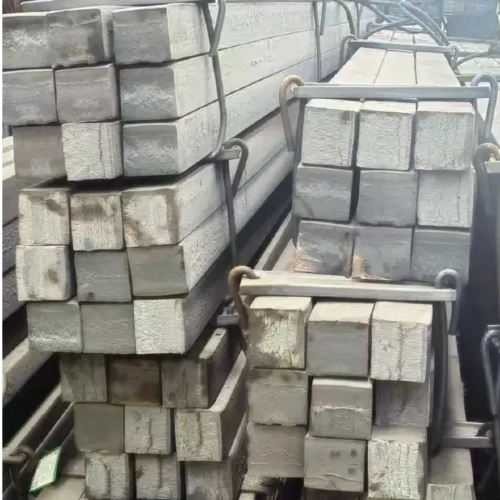
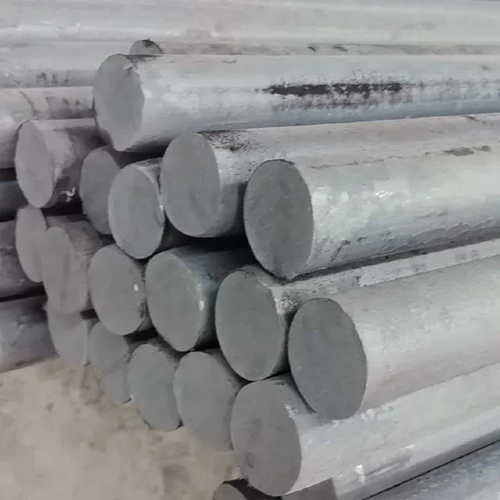
Hot Rolled Bar: Long, solid bars of steel used in construction and heavy machinery.
Ease of Fabrication and Welding
Hot rolled steel’s fabrication and welding properties make it an ideal material for large-scale projects. Its ability to be welded and fabricated without significant distortion or cracking during the welding process ensures that it can be easily incorporated into complex designs. Whether it’s joining structural beams for a skyscraper or creating the framework for a bridge, hot rolled steel’s ease of fabrication is a major advantage in large-scale construction.
Availability in Large Quantities
Hot rolled steel is readily available in large quantities, making it a reliable material for high-demand projects. Its availability ensures that manufacturers, builders, and contractors can source the material in the quantities needed to keep projects on schedule. Additionally, the material’s widespread availability means that it can be sourced quickly and easily from steel mills or distributors around the world.
Common Applications of Hot Rolled Steel in Large-Scale Projects
Hot rolled steel is used across multiple industries due to its strength, flexibility, and cost-efficiency. Below are some of the most common applications in large-scale projects.
Construction
In construction, hot rolled steel is often used for structural components such as beams, columns, and reinforcements. It is ideal for use in buildings, bridges, and other infrastructure due to its strength and versatility. Hot rolled steel’s ability to be easily fabricated and welded also makes it a preferred material in the construction of complex structures.
Infrastructure
Hot rolled steel is also commonly used in infrastructure projects such as bridges, roads, railways, and tunnels. The material’s ability to withstand heavy loads and extreme environmental conditions makes it a reliable choice for projects that require long-term durability and strength.
Manufacturing and Automotive
In manufacturing, hot rolled steel is used for machinery, tools, and components that require high strength and durability. In the automotive industry, it is used for producing car frames, chassis, and other structural components that need to withstand significant stress and impact.
Shipbuilding
Due to its resistance to pressure and impact, hot rolled steel is widely used in shipbuilding and other marine projects. It is used for constructing the hulls of ships and other offshore structures, providing the necessary strength and durability to withstand the harsh marine environment.
Comparison with Other Materials
While hot rolled steel is a preferred choice for many large-scale projects, it is important to compare it to other materials to understand its unique advantages.
Hot Rolled Steel vs. Cold Rolled Steel
As mentioned earlier, the main difference between hot rolled and cold rolled steel is the temperature at which they are processed. Hot rolled steel is more suitable for large-scale projects because of its ability to handle complex shapes and sizes, while cold rolled steel is used in precision applications that require tighter tolerances.
Hot Rolled Steel vs. Other Building Materials
When compared to concrete, aluminum, and other construction materials, hot rolled steel stands out in terms of strength-to-weight ratio and ease of fabrication. It is more durable and reliable than concrete for applications requiring tensile strength and impact resistance. While aluminum is lighter and corrosion-resistant, hot rolled steel is much stronger and more cost-effective for large structures.
Material | Advantages | Limitations |
Hot Rolled Steel | Strong, durable, cost-effective, versatile | Heavier, prone to corrosion without treatment |
Concrete | Strong compressive strength, fire-resistant | Lower tensile strength, heavy, slower to construct |
Aluminum | Lightweight, corrosion-resistant, easy to shape | Lower strength, expensive, less durable for structural elements |
Factors to Consider When Choosing Hot Rolled Steel for Your Project
Before deciding whether hot rolled steel is the right material for your large-scale project, there are several factors to consider.
Material Specifications
When selecting hot rolled steel, it’s important to determine the specifications needed for your project. Factors such as thickness, width, and steel grade must be selected based on the intended application. For example, a construction project may require thicker steel for structural support, while a manufacturing application may need a thinner, more flexible steel for machinery components.
Environmental Factors
Environmental conditions such as temperature, humidity, and exposure to corrosive substances can influence the type of steel chosen. Hot rolled steel can be treated with coatings to enhance its resistance to corrosion, but projects in harsh environments may require additional considerations.
Project Budget and Timeline
Finally, it’s important to consider your budget and timeline. Hot rolled steel is often the most cost-effective choice for large-scale projects, but the overall project scope, including labor and fabrication costs, should be factored into the decision. Hot rolled steel’s availability and ease of use also contribute to faster project completion times.
Conclusion
In conclusion, hot rolled steel remains the material of choice for large-scale projects due to its cost-effectiveness, strength, versatility, and ease of use. Its remarkable properties make it ideal for applications in construction, infrastructure, manufacturing, and shipbuilding, where durability and reliability are paramount. The ability to source hot rolled steel in large quantities further boosts its attractiveness, making it a go-to material for industrial projects worldwide.
At Tianjin Shengxiang Cold Drawn Steel Co., Ltd., we pride ourselves on offering high-quality hot rolled steel products that meet the needs of large-scale projects. Our extensive range of steel solutions is designed to provide the strength, durability, and cost-effectiveness required by industries across the globe. Whether you’re involved in construction, automotive manufacturing, or infrastructure development, our hot rolled steel products will ensure the success and reliability of your projects. For more information or to discuss your project needs, feel free to contact us today – we’re here to provide you with the best steel solutions tailored to your requirements.
FAQ
Q1: What is the main difference between hot rolled steel and cold rolled steel?
Hot rolled steel is processed at high temperatures, which makes it easier to shape and form, while cold rolled steel is processed at room temperature, resulting in a smoother finish and tighter tolerances. Hot rolled steel is more suitable for large-scale projects, while cold rolled steel is used for precision applications.
Q2: Why is hot rolled steel cheaper than cold rolled steel?
The hot rolling process is less energy-intensive and more efficient than cold rolling, leading to lower production costs. This makes hot rolled steel a more affordable option for large-scale projects.
Q3: How does hot rolled steel contribute to the sustainability of large projects?
Hot rolled steel is 100% recyclable, making it an eco-friendly choice for large-scale projects. Its durability also reduces the need for frequent replacements, contributing to long-term sustainability.
Q4: Can hot rolled steel be used for outdoor projects?
Yes, hot rolled steel can be used for outdoor projects, but it may require additional protective coatings to prevent corrosion when exposed to harsh environmental conditions. Its strength and durability make it a reliable material for bridges, highways, and other outdoor structures.


