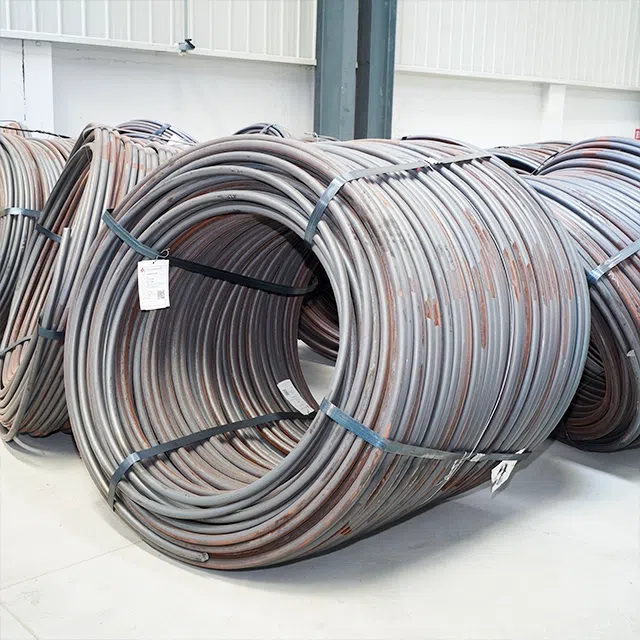
At Tianjin Shengxiang Cold Drawn Co., Ltd., we recognize the crucial role that carbon steel rod steel bars play in supporting the energy sector. As industries around the world evolve and demand more reliable and efficient materials for energy infrastructure, carbon steel has consistently proven itself as a strong and durable choice. From traditional power plants to modern renewable energy systems, carbon steel rod steel bars are at the heart of many critical energy applications, ensuring that power generation systems remain strong, reliable, and sustainable. In this article, we explore how carbon steel is revolutionizing energy infrastructure across various sectors, focusing on its strength, versatility, and environmental impact.
Strength and Durability in Energy Applications
Carbon steel rod steel bars have earned their place in the energy sector for one main reason: strength. The energy industry demands materials that can endure high stress, extreme temperatures, and corrosive environments. Carbon steel is a prime candidate for this role due to its remarkable ability to maintain structural integrity even under the toughest conditions. In energy plants, where components are constantly exposed to heat, pressure, and mechanical forces, the durability of carbon steel is a critical asset.
The material’s strength-to-weight ratio ensures that it is ideal for large-scale applications such as structural supports, pipelines, and critical plant components. Whether it’s wind turbines, solar installations, or conventional power stations, carbon steel rods and bars are the silent performers that keep everything running smoothly. This resilience is particularly valuable in both traditional and renewable energy systems, where equipment is often exposed to harsh weather and environmental conditions.
One of the key reasons carbon steel rod steel bars are so effective in energy applications is their versatility. They can be easily molded into various shapes and sizes to fit the unique requirements of different energy infrastructure projects. This adaptability allows them to be used in a wide range of energy production systems, from conventional thermal power stations to advanced renewable energy installations.
Carbon Steel Rods in the Oil and Gas Industry
The oil and gas industry has long relied on carbon steel for its robust characteristics. Carbon steel rod steel bars play an indispensable role in drilling operations, pipeline construction, and offshore platforms, all of which require materials capable of withstanding immense pressures and exposure to corrosive elements. For instance, carbon steel is used extensively in drilling tools and machinery, where its strength ensures consistent performance under extreme operational conditions.
In pipeline construction, carbon steel rods and bars are used due to their ability to handle high-pressure environments and resist corrosion over long periods. Given the global demand for oil and gas, especially in remote and offshore locations, carbon steel has proven itself as a cost-effective solution for building infrastructure that will endure for decades. Offshore platforms, which are subjected to saltwater exposure and intense weather conditions, rely on carbon steel’s durability to ensure safety and functionality.
As the global oil and gas industry continues to expand into more challenging environments, the importance of carbon steel in providing both safety and reliability cannot be overstated. Offshore oil rigs and subsea pipelines often face corrosive seawater, high temperatures, and extreme weather, all of which place tremendous strain on materials used in their construction. Carbon steel's superior resistance to these elements ensures that these critical infrastructure components can withstand years of operation with minimal maintenance.
Role of Carbon Steel in Nuclear Energy
In the nuclear energy sector, the need for high-strength materials is even more pronounced. Carbon steel rod steel bars are integral to the construction of critical components within nuclear power plants. Reactor pressure vessels, which contain the nuclear reaction and hold the coolant, are often made from carbon steel. This is because carbon steel offers a combination of strength, toughness, and resistance to radiation damage, making it an essential material in the nuclear energy industry.
The safety and longevity of nuclear power plants depend heavily on the integrity of their materials. Carbon steel provides the reliability required for structures that need to withstand the immense pressure and temperature changes associated with nuclear reactions. By offering excellent weldability and formability, carbon steel also supports complex manufacturing processes that ensure nuclear plants operate safely and efficiently.
Additionally, carbon steel’s ability to handle high levels of radiation exposure and its durability under extreme temperature fluctuations make it an ideal choice for various nuclear power plant components. This is particularly important when considering the long operational life of nuclear plants, where maintaining the integrity of structural materials is essential for minimizing downtime and ensuring the safety of the facility.
Innovations in Carbon Steel Manufacturing for Energy Use
The energy sector’s constant push for innovation has led to significant advancements in carbon steel manufacturing. As the need for more sustainable and efficient energy infrastructure grows, carbon steel producers are adapting their processes to meet new demands. For example, advancements in alloying and heat treatment techniques have led to the development of carbon steels that offer improved resistance to corrosion and wear. These innovations have enhanced the material’s performance in extreme conditions, making it even more suitable for energy applications.
Furthermore, the growing emphasis on renewable energy sources, such as wind, solar, and hydroelectric power, has opened up new opportunities for carbon steel. In wind turbine construction, for example, carbon steel’s high tensile strength and fatigue resistance are crucial for ensuring long-lasting performance in harsh weather environments. As the energy sector embraces more sustainable practices, carbon steel’s adaptability allows it to remain a leading material in the development of both traditional and renewable energy systems.
Carbon steel manufacturers have also focused on improving the material's resistance to high-temperature environments. This is particularly valuable in power plants that rely on high-efficiency boilers and turbines. By optimizing the alloy content and refining heat treatment processes, modern carbon steel can withstand the extreme heat and pressure generated in these systems, ensuring reliable performance and longevity.
Carbon Steel's Environmental Impact in Energy Systems
In today’s environmentally conscious world, the sustainability of materials used in energy infrastructure is a major consideration. Carbon steel has a significant advantage in this regard due to its recyclability. Unlike many other materials, carbon steel can be recycled multiple times without losing its quality, making it an eco-friendly choice for energy infrastructure.
The environmental impact of carbon steel is further minimized by its ability to last for long periods, reducing the need for frequent replacements and repairs. This contributes to the overall sustainability of energy systems, as the longevity of carbon steel components means fewer resources are required to maintain and replace aging infrastructure. As the energy sector continues to push for more sustainable practices, carbon steel remains a key player in achieving environmentally friendly energy solutions.
Moreover, the global recycling rates for carbon steel are among the highest in the industry, contributing to a circular economy model. When carbon steel components are no longer in use, they can be recycled and repurposed for new applications, reducing the need for virgin materials and lowering overall environmental impact. This recyclability is an essential factor as the energy sector moves towards greener, more sustainable practices.
Conclusion
At Tianjin Shengxiang Cold Drawn Co., Ltd., we understand the significant role that carbon steel rod steel bars play in advancing energy infrastructure. Whether in oil and gas, nuclear energy, or renewable energy sectors, carbon steel continues to provide the strength, durability, and sustainability necessary to meet the demands of modern power systems. As innovations in carbon steel manufacturing pave the way for even more efficient and eco-friendly energy solutions, we are proud to supply high-quality products that contribute to the resilience and sustainability of the global energy industry. The future of energy infrastructure depends on reliable materials, and carbon steel is undoubtedly one of its strongest pillars. By providing top-tier carbon steel products, we help ensure that energy systems worldwide remain strong, efficient, and sustainable for generations to come.


